Quick material answer: for bathrooms and shower walls, start with SPC or PVC panels. For villa TV walls, bedrooms and hotel rooms, WPC and fluted panels usually give a warmer decorative finish. MDF and solid wood can look premium, but they need better moisture control and more maintenance.
| Project Need | Better Starting Material | Why It Fits |
|---|
| جدار الحمام أو الدش | SPC / PVC wall panels | More practical for water, cleaning and faster renovation. |
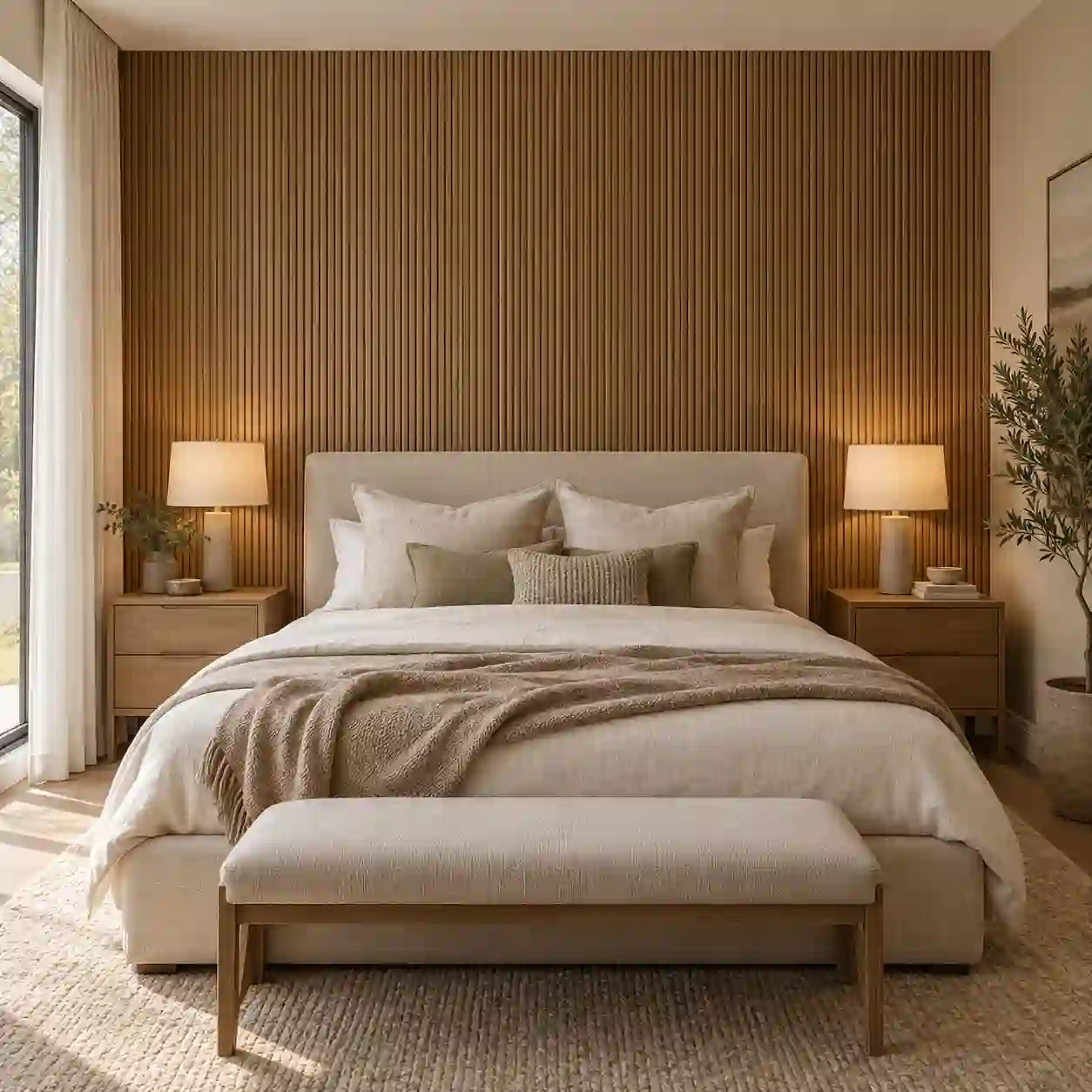
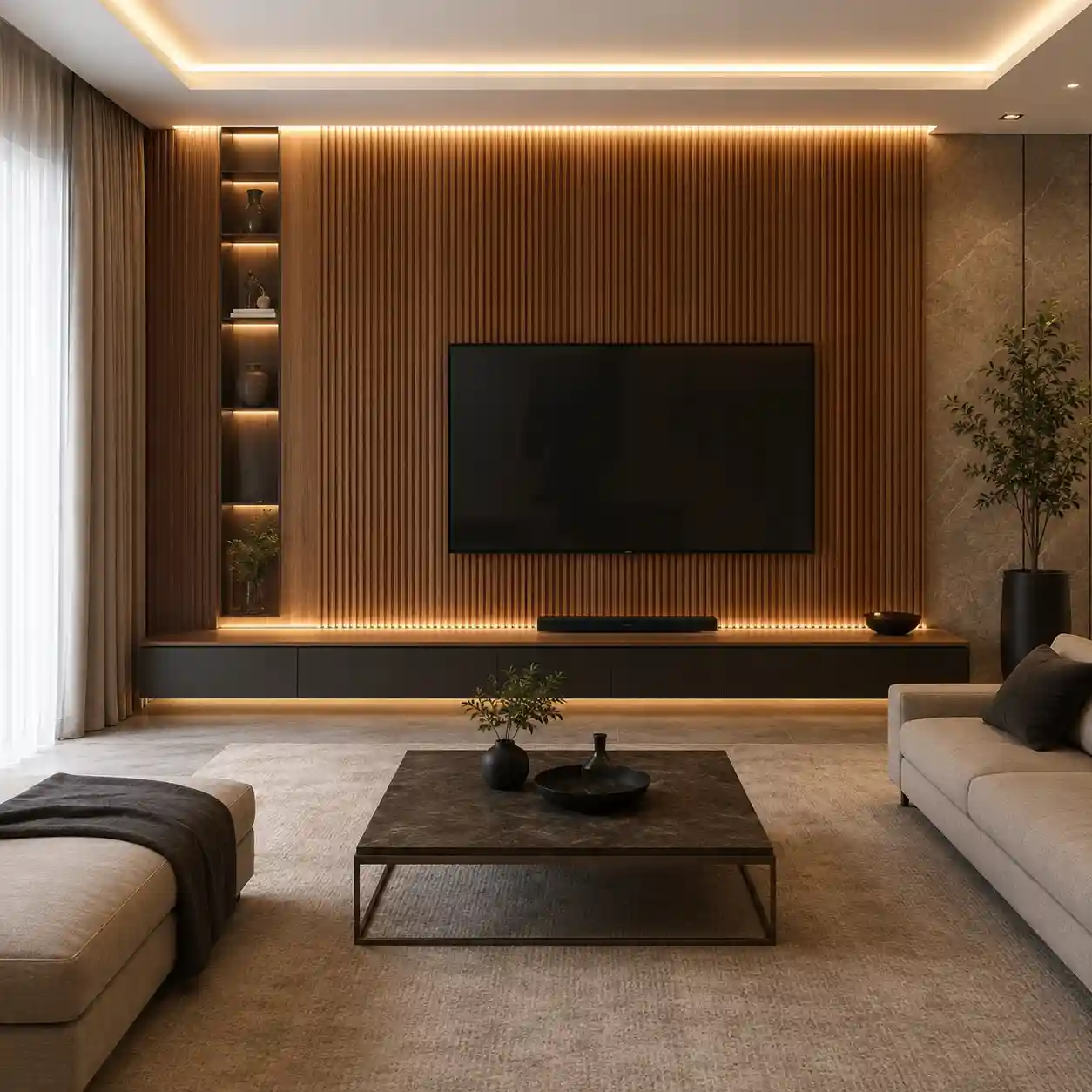
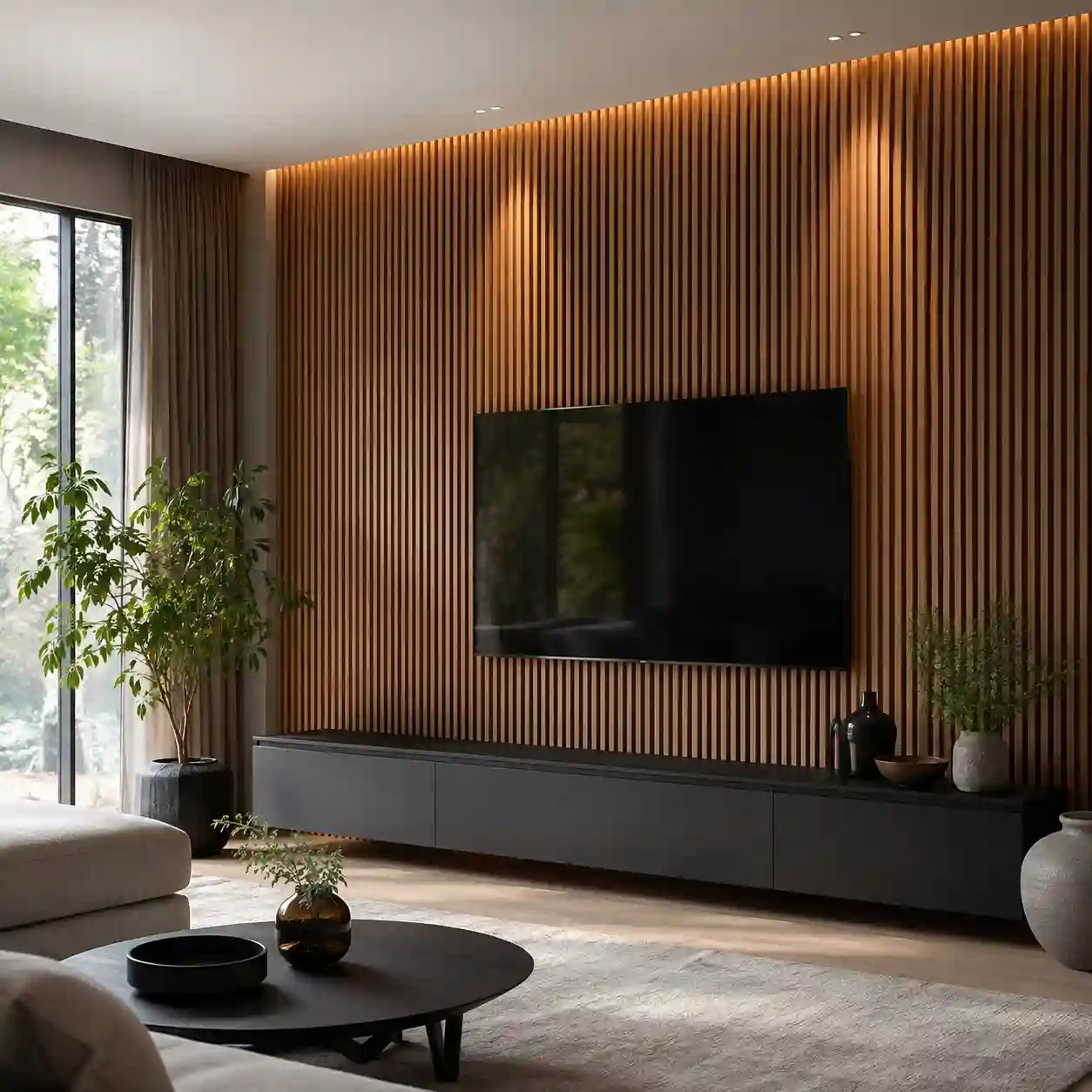
| Villa TV wall or bedroom | WPC / fluted wall panels | Warmer wood-look finish, trims and better decorative rhythm. |
| Hotel room or corridor | WPC / SPC / fluted panels | Better balance of durability, maintenance and repeated finish control. |
| Classic wood interior | Solid wood / VJ panels | Natural feel, but higher maintenance and moisture sensitivity. |
Need a practical recommendation? Send room photos, wall size and wet/dry area details so we can suggest a material direction, trim plan and sample option before you commit.

إجابة سريعة: MDF, WPC, solid wood and VJ wall panels can all look good, but they do not solve the same problem. MDF is usually chosen for dry, painted feature walls. WPC is often considered when a project needs a wood-look finish with better moisture resistance and easier maintenance. Solid wood gives the most natural texture, but it needs more budget and care. VJ panels are a profile style, not one single material, so the base board matters.
If you are comparing wall panel materials for a villa, hotel, bathroom, corridor or commercial interior, do not choose by photos alone. Match the panel with the room condition, cleaning frequency, wall size, edge detail and installation method. For project advice, you can compare our WPC wall panel options, check ألواح الجدران SPC المخصصة للمناطق الرطبة, or send room photos and measurements through our contact page before requesting samples.
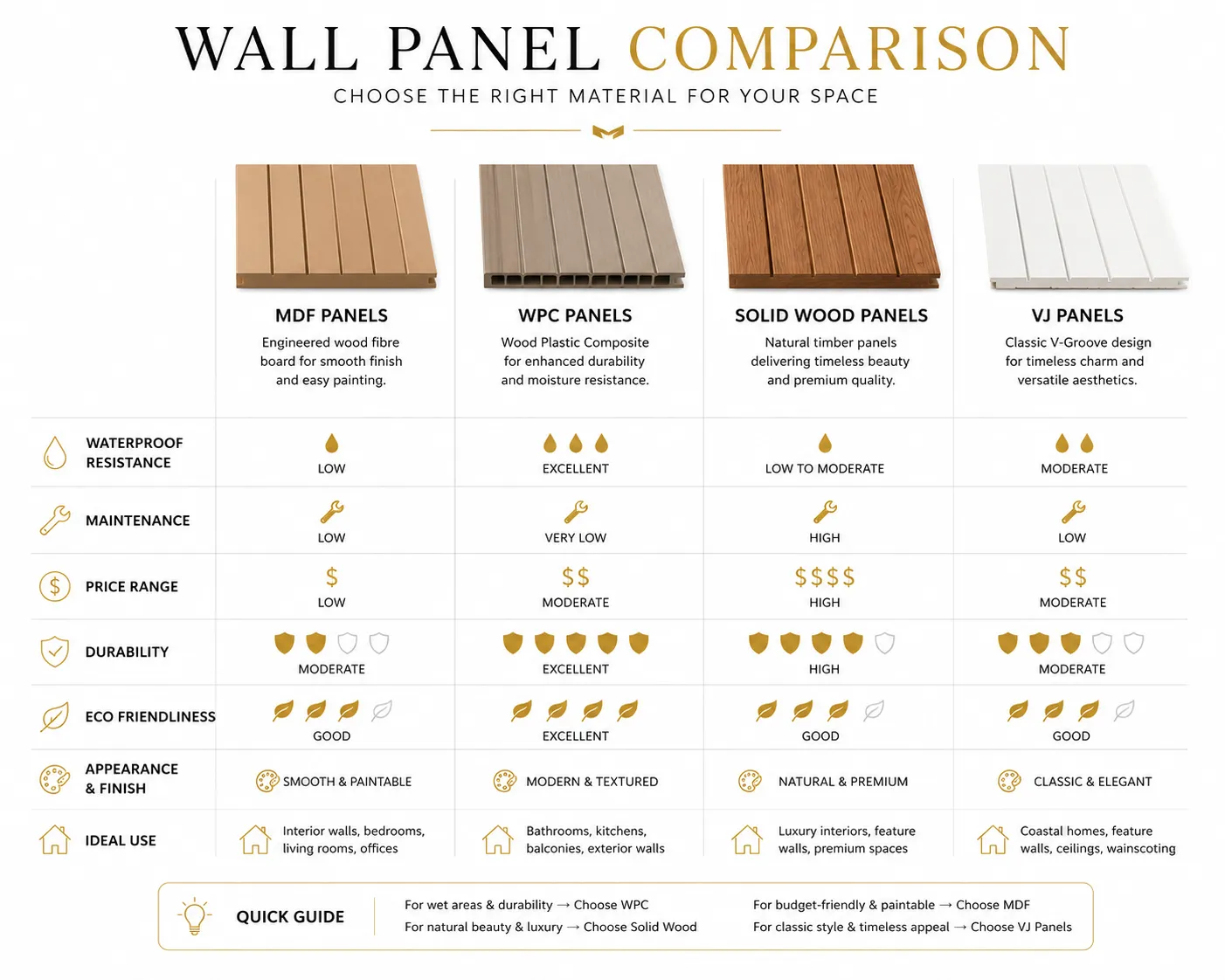
Quick Material Comparison: MDF vs WPC vs Solid Wood vs VJ Panels
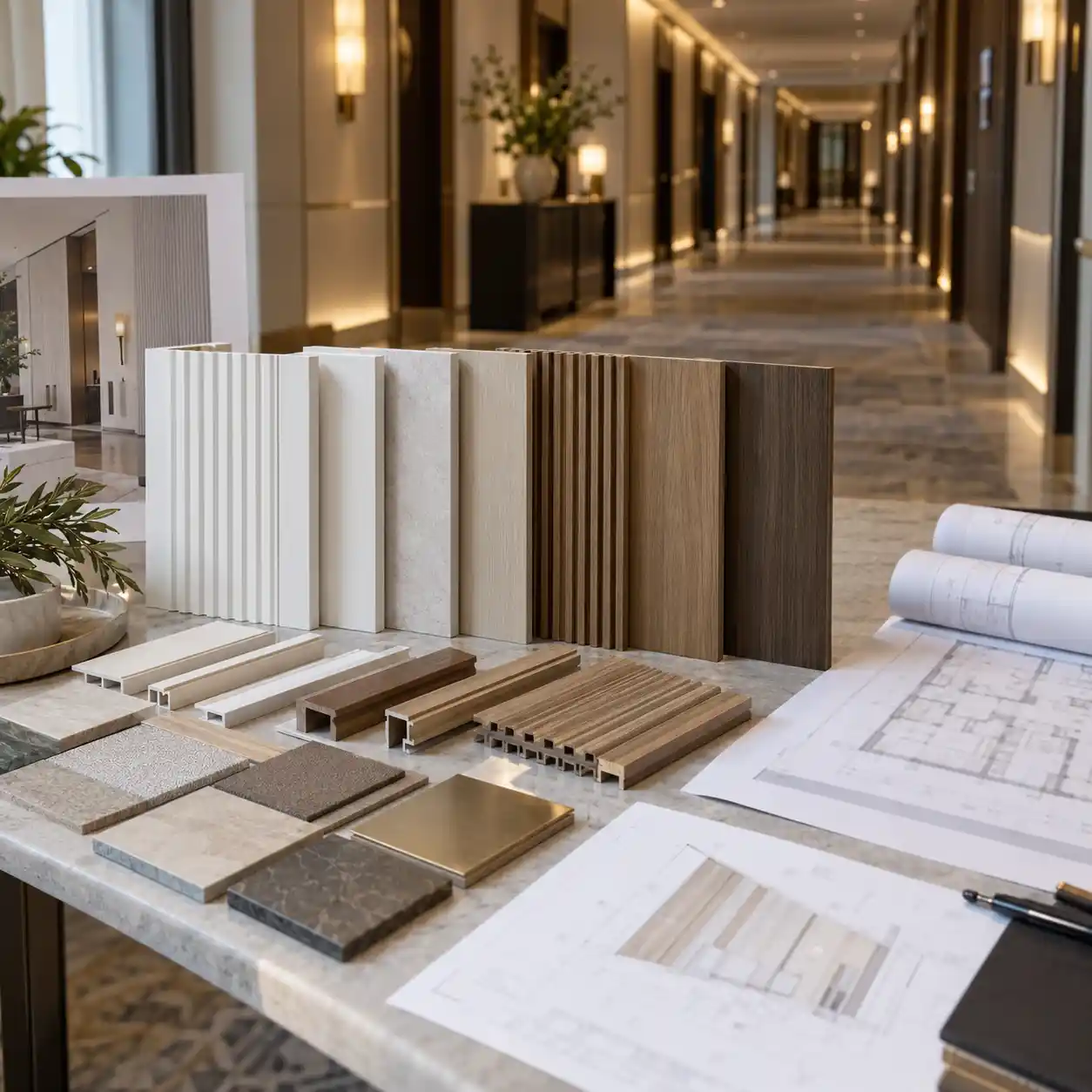
A good wall panel comparison should begin with the room, not the product name. A living room feature wall, a hotel corridor, a bathroom wall and a shop interior all place different pressure on the material. The table below gives a practical first filter.
| المواد | Best Fit | Main Strength | Main Limitation |
|---|
| MDF panels | Dry painted walls, bedrooms, decorative feature walls | Smooth surface, easy to paint, budget friendly | Not ideal for wet or high-humidity areas unless the grade is selected carefully |
| WPC panels | Villa interiors, hotel rooms, corridors, commercial decorative walls | Wood-look finish, easier maintenance, better moisture resistance than wood-based boards | Factory finish is usually fixed, so color planning should be confirmed before order |
| Solid wood panels | Premium lounges, executive rooms, luxury residential interiors | Natural grain, warm texture, strong premium feeling | Higher cost and more maintenance; movement can happen with humidity changes |
| VJ panels | Classic vertical-groove walls, coastal style, hallway accents | Strong linear look and easy visual height | VJ describes the groove profile; performance depends on the base material |
This first comparison is enough to avoid many wrong choices. The deeper decision comes next: moisture, cleaning, impact, installation, trims and the way the wall will be used after renovation.

MDF Wall Panels: Good for Dry Painted Feature Walls
MDF is an engineered wood board made from wood fibers and resin. It is popular because it has a smooth face, cuts cleanly, and accepts paint well. For designers and homeowners who want a painted accent wall, MDF can be a practical material when the room is dry and the panel edges are finished properly.
The main weakness is moisture. Standard MDF can swell or lose shape if it is repeatedly exposed to water or high humidity. That does not mean MDF is a bad product. It simply means it should be used in the right place. Bedrooms, dining rooms, dry living rooms and painted decorative walls are better matches than bathrooms, wet walls or hotel service corridors.
Use MDF when: the wall is dry, the design needs a painted finish, the budget is controlled, and the installer can seal edges and joints neatly.
Think twice when: the wall is near a shower, basement, laundry room, busy hotel corridor or any area where frequent cleaning and moisture are expected.

WPC Wall Panels: A Practical Wood-Look Option for Modern Interiors
WPC stands for wood plastic composite. In wall panel use, it is often chosen when a project wants a warmer wood-look finish but does not want the maintenance habits of natural timber. WPC panels are commonly used in villa TV walls, hotel rooms, reception areas, offices, restaurants and commercial feature walls.
The reason many project teams compare WPC against MDF or solid wood is not only appearance. They are looking for easier cleaning, more stable decorative profiles, consistent surface color and a panel system that can be paired with trims. For long wall runs, corridor sections or repeat rooms, consistency matters as much as the sample photo.
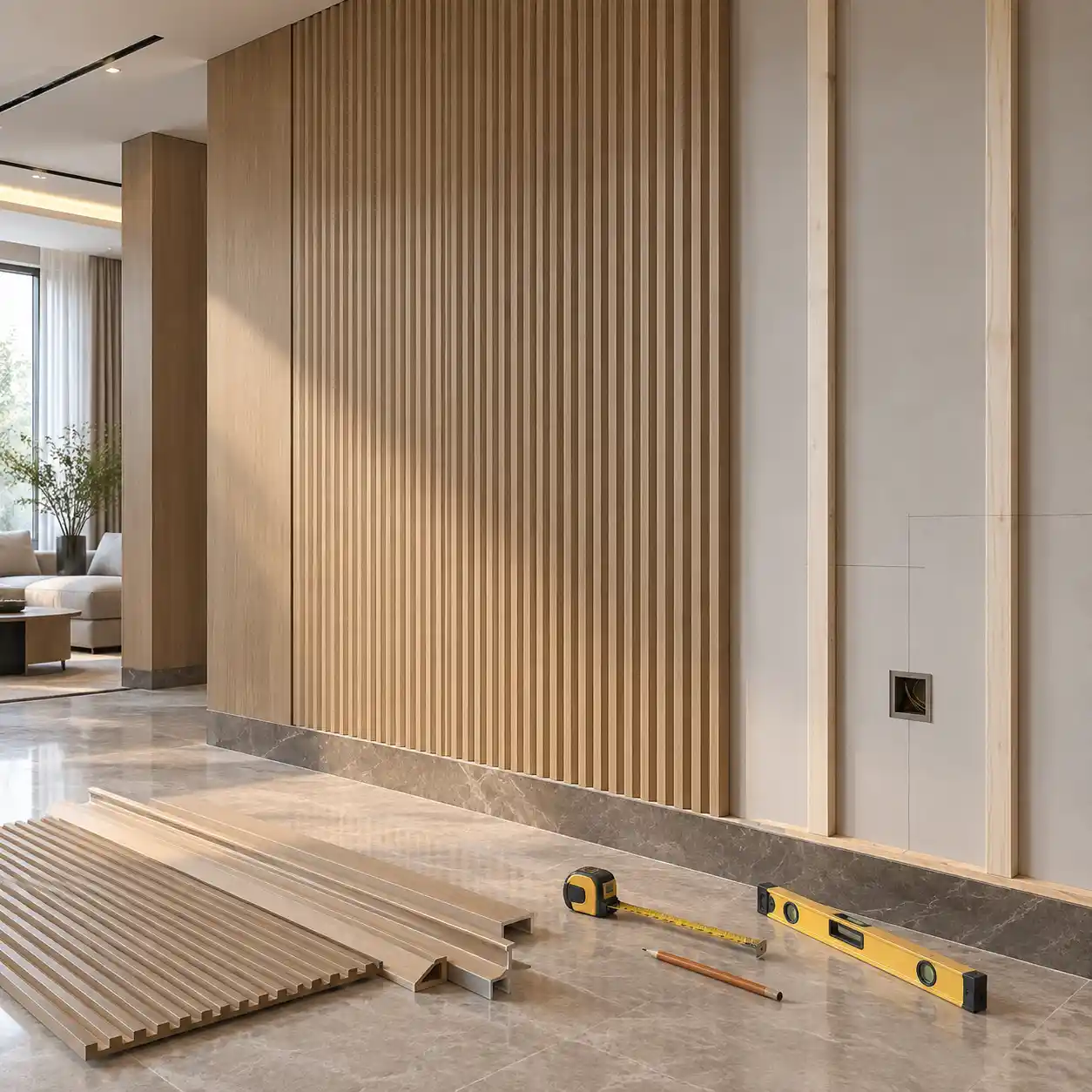
WPC is not a magic answer for every wall. The final result depends on profile thickness, surface film quality, trim design, wall flatness and installation method. Before ordering, ask for front surface photos, cross-section photos, edge details and matching trims. If the project uses fluted profiles, also check how the grooves behave under lighting and cleaning.
For project comparison, review ألواح الجدران المخددة المصنوعة من مركب الخشب والبلاستيك (WPC) together with حواف الألواح الجدارية وملحقاتها before confirming samples.
Solid Wood Wall Panels: Premium, Natural and Maintenance Sensitive
Solid wood panels carry a natural look that is difficult to fully copy. The grain, warmth and depth of real timber can make a room feel expensive and calm. For premium villas, private lounges, executive rooms and high-end hospitality spaces, solid wood can still be the right choice when budget and maintenance are accepted from the beginning.
The tradeoff is that wood is a living material. It can expand, contract, change color, need refinishing or react to humidity. The installation also requires more care. If a project needs many repeat rooms, tight budget control or low-maintenance public walls, solid wood may not be the most practical first choice.
Use solid wood when: natural texture is the design priority, the room is controlled, the budget allows skilled installation, and future maintenance is acceptable.
Think twice when: the project is a damp wall, high-traffic corridor, budget hotel floor, rental apartment or commercial space where fast cleaning and replacement matter more than natural timber prestige.
VJ Wall Panels: A Profile Style, Not One Single Material
VJ panels are often discussed as a material, but that is not quite accurate. VJ describes the vertical joint or groove profile. The panel itself may be MDF, plywood, fiber cement or another board. This is why two VJ walls can look similar in photos but perform very differently on site.
VJ panels work well when a project wants vertical rhythm, a coastal look, a classic hallway, a painted wall effect or a room that feels taller. They can be attractive in villas, residential corridors, cafes and boutique interiors. The key is to ask what the base board is made from and whether that base board suits the room condition.
For bathrooms or wet areas, do not assume a VJ look is automatically suitable. Check the base material, coating, edge sealing, joint treatment and local wet-area requirements. For dry feature walls, VJ can be a simple and strong visual choice.
Which Wall Panel Should You Choose for Your Project?
The easiest way to choose is to match the panel to the problem the wall must solve.
| Project Situation | Better Starting Point | Reason |
|---|
| Dry bedroom or painted feature wall | MDF or VJ panels | Good for paintable decorative design when moisture is controlled. |
| Villa TV wall or warm living room | WPC or solid wood | Choose WPC for easier maintenance, or solid wood for natural premium texture. |
| Hotel room or corridor wall | WPC, SPC or anti-collision panels by zone | Public walls need cleaning, trim planning and impact-zone thinking. |
| Bathroom or wet-adjacent wall | SPC or suitable waterproof wall panel systems | Moisture resistance, sealing and edge details matter more than decorative photos. |
| Restaurant, shop or commercial accent wall | WPC, fluted panels or PU stone panels | These can create strong visual style while keeping installation practical. |
For stone-look feature walls, you can also compare PU stone wall panels. For bathroom and shower wall comparisons, read our guide on ألواح جدران الحمام مقابل البلاط.
Questions to Ask Before Buying Wall Panels
Before choosing any wall panel material, prepare practical information instead of only asking for a catalog. A supplier can give better advice when the project conditions are clear.
- Is the wall dry, humid, wet-adjacent or exposed to frequent cleaning?
- Is the wall mainly decorative, or does it need impact resistance?
- Will the panel be installed around doors, corners, sockets, stairs or long corridor runs?
- Does the project need painted finish, wood-look finish, stone-look finish or a fluted profile?
- How important are future repairs, replacement panels and color consistency?
- Do you need matching trims, skirting, outside corners or end caps?
For a project recommendation, send wall photos, room type, rough dimensions, target style and the main problem you want to solve. That makes the material discussion much more useful than comparing names alone.
FAQ About Wall Panel Material Comparison
ما هي أفضل مادة لصناعة الألواح الجدارية المستخدمة في الجدران الداخلية؟
لا توجد مادة واحدة تُعتبر الأفضل لجميع الجدران الداخلية. يُعد MDF مناسبًا للجدران المطلية بالطلاء الجاف، بينما يُعد WPC خيارًا عمليًّا للتصميمات الداخلية الزخرفية ذات المظهر الخشبي، ويُعد الخشب الصلب مناسبًا للمساحات الفاخرة، أما ألواح VJ فهي مناسبة للتصاميم ذات الأخاديد الرأسية عندما تتناسب اللوحات السفلية مع ظروف الغرفة.
هل يعتبر WPC أفضل من MDF في صناعة ألواح الجدران؟
عادةً ما يُعد خشب الألياف المضغوط (WPC) نقطة انطلاق أفضل عندما تكون مقاومة الرطوبة وسهولة التنظيف والأسطح الزخرفية النهائية من العوامل المهمة. أما خشب MDF فيمكن أن يظل خيارًا جيدًا للجدران الجافة المطلية، حيث تكون الميزانية وسهولة الطلاء من العوامل الأكثر أهمية.
هل ألواح VJ هي نفسها ألواح MDF؟
لا. يشير المصطلح «VJ» إلى شكل الأخدود الرأسي. تُصنع العديد من الألواح من نوع VJ من خشب MDF، ولكن يمكن أيضًا استخدام أنواع أخرى من الألواح الأساسية. يجب دائمًا التحقق من المادة الأساسية قبل تقييم المتانة أو الأداء في ظروف الرطوبة.
هل ينبغي عليّ استخدام ألواح الجدران المصنوعة من الخشب الصلب في فندق أو مشروع تجاري؟
يمكن استخدام الخشب الصلب في المساحات الفاخرة التي تخضع لرقابة صارمة، لكنه يتطلب عادةً ميزانية أكبر وصيانة أكثر. أما بالنسبة لغرف الفنادق المتكررة، أو الممرات، أو الجدران التجارية التي تشهد حركة مرور كثيفة، فقد تكون أنظمة الألواح مثل WPC أو SPC أو غيرها أكثر عمليةً حسب المنطقة المعنية.
ما هي المعلومات التي يجب أن أرسلها قبل طلب عينات من ألواح الجدران؟
يرجى إرسال صور الغرفة، وأبعاد الجدران، ونوع الغرفة، وحالة الرطوبة، ومرجع التصميم، ومساحة التركيب، وأي مشاكل مثل الخدوش، أو البقع، أو الانبعاجات، أو الأضرار القديمة في الجدران. فهذا يساعد في تضييق نطاق اختيار المادة المناسبة قبل اختيار العينات.
Need help choosing? Send your wall photos and rough measurements through our contact page. Yifang can help compare WPC, SPC, PU stone, fluted and other wall panel options for villas, hotels and commercial interiors.

 English
 العربية
 हिन्दी
 Español
 Français