إجابة سريعة: A wall panel manufacturer normally controls production, material selection, surface finish, quality inspection and export packing. A trading company may still be useful, but importers should verify who controls the production line, sample approval, batch color, trims, packing and after-sales documents before placing a bulk order.
Before you compare suppliers, keep these reference pages open:

Why This Matters Before a Bulk Wall Panel Order
For importers, distributors and contractors, the lowest wall panel price is not always the safest choice. Wall panels are bulky visible finish materials. If the surface film, profile size, trim color, packing strength or batch color is wrong, the problem does not stay in the warehouse. It shows up on the customer’s wall.
A serious supplier should be able to answer technical questions before asking you to confirm a container. If they can only send catalog pictures and a price list, you still do not know who is responsible for production consistency, sample matching or packing protection.
Manufacturer vs Trading Company: The Practical Difference
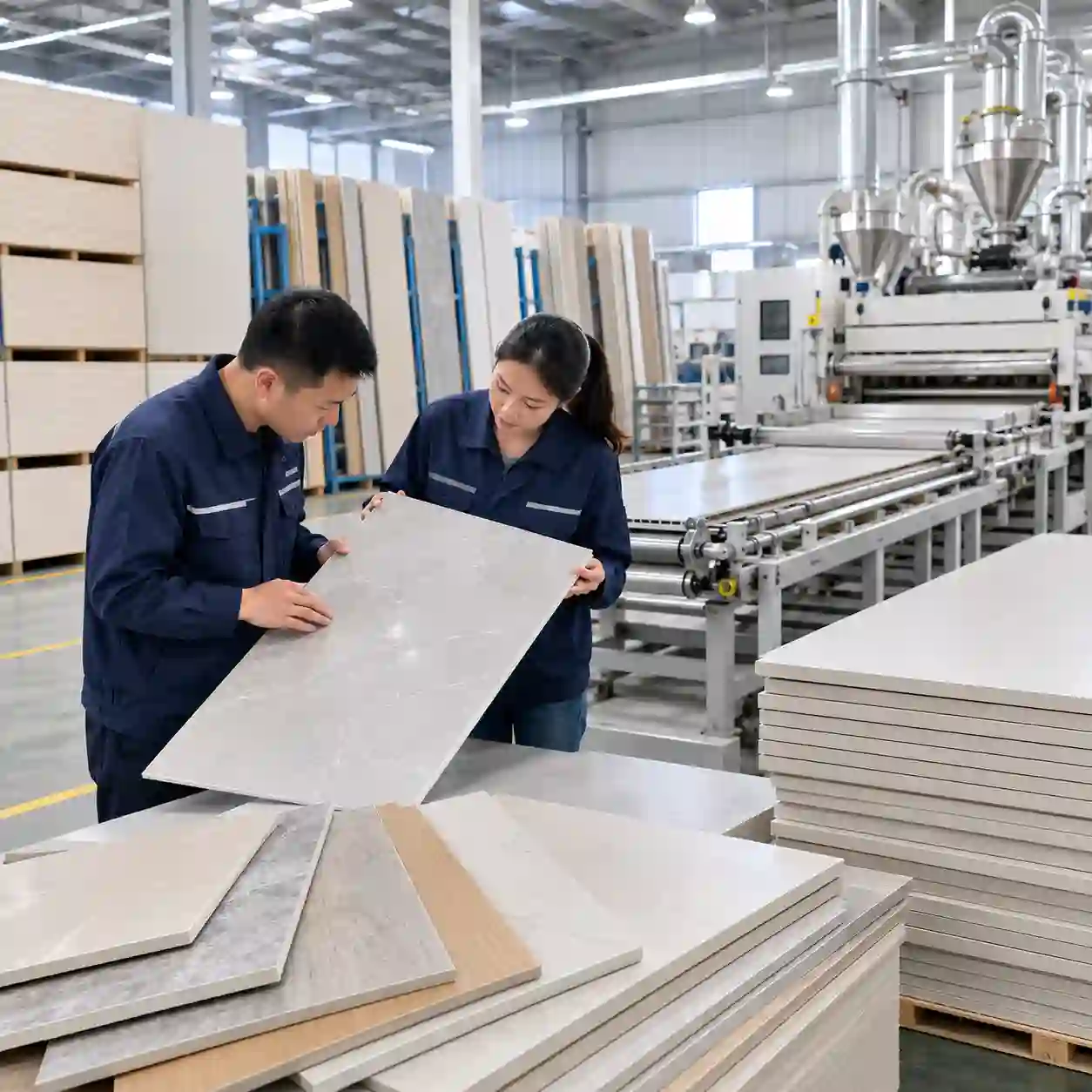
A wall panel manufacturer usually has direct control over extrusion, lamination, surface finishing, cutting, packing and batch inspection. That matters when you need PVC wall panels, WPC wall panels, fluted wall panels, SPC panels or decorative panels with repeated finishes.
A trading company can be useful when it manages multiple product categories well. The risk is that quality control may depend on outside factories. For small trial orders this may be acceptable. For repeated wholesale orders, hotel projects or OEM products, you need to know exactly who controls the formula, finish, production schedule and packing method.
Factory Audit Checklist for Importers
Use these questions before paying a deposit:
- Do you own or directly control the production line?
- Which products do you produce: PVC, WPC, SPC, PU stone, fluted, carbon crystal or other decorative panels?
- Can you provide real factory photos, production videos or inspection records?
- Can you send samples before bulk production?
- How do you confirm color, texture, film and profile size before mass order?
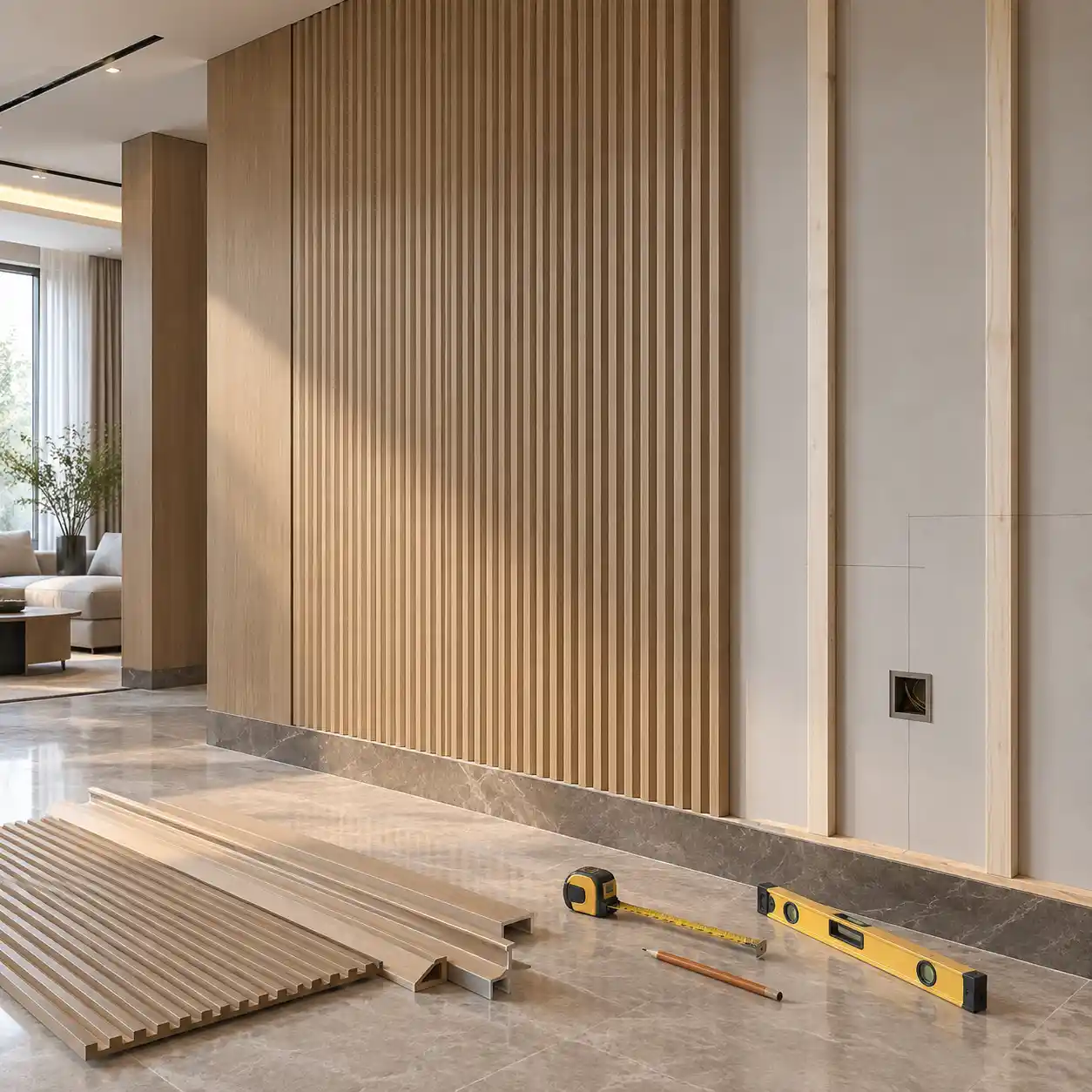
- Can you supply matching trims such as inside corners, outside corners, splicing profiles, I-beams or closing lines?
- How do you reduce batch color difference between containers?
- What packing method do you use for long profiles and decorative surfaces?
- Can you provide certificates or test documents when the project requires them?
- What information do you need to prepare a serious quotation?
Documents You Should Ask For
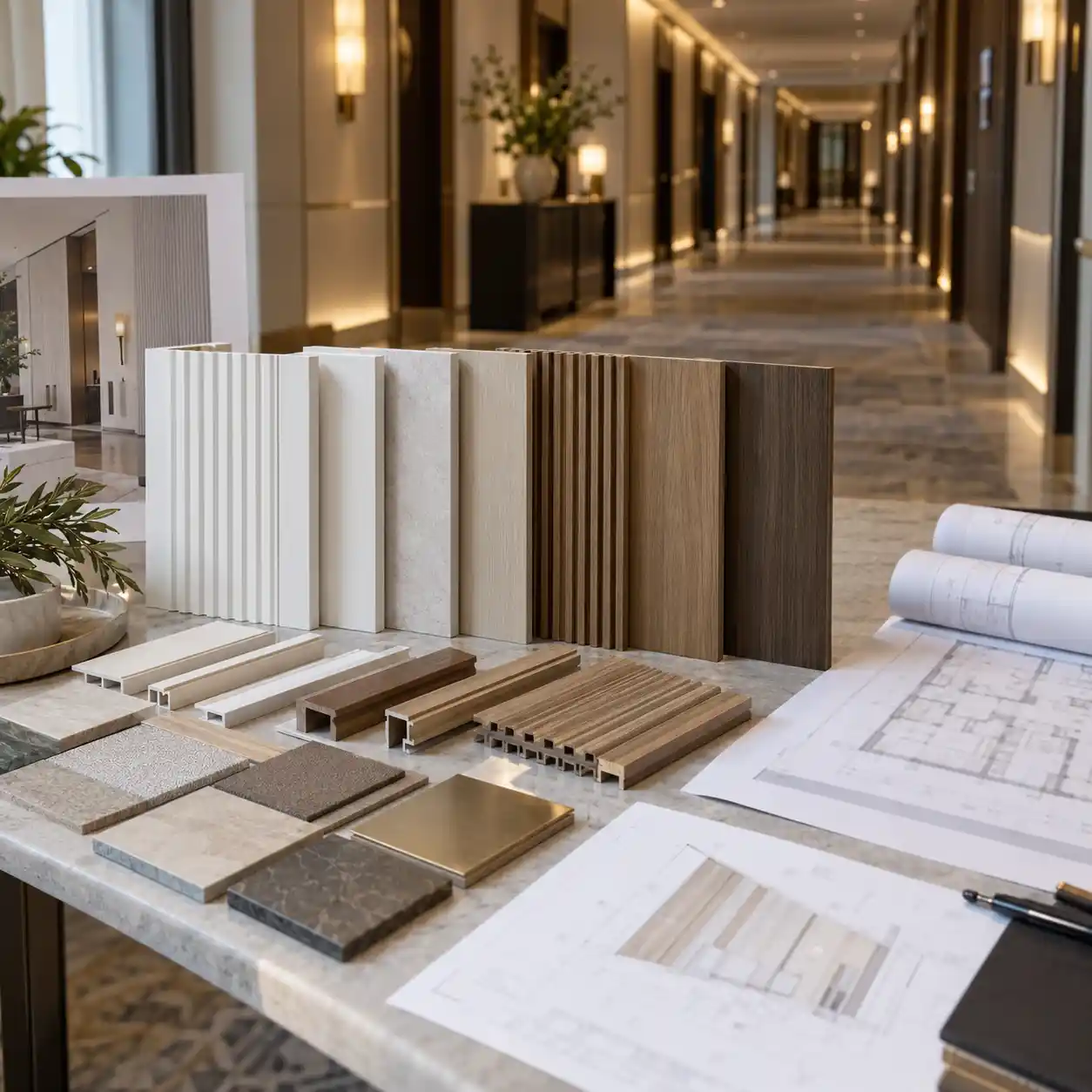
A professional quotation is more than a unit price. Ask for product specifications, surface finish options, sample rules, packing method, loading advice, installation notes and available project documents. For commercial interiors, also ask whether fire-related or environmental documents are available for the exact panel type you plan to buy.
Yifang’s product knowledge includes PVC, WPC, SPC, PU stone, fluted, carbon crystal and matching metal trim systems. Some product lines can be discussed around features such as waterproof and moisture-resistant use, scratch resistance, easy cleaning, E0 positioning or B1 fire-retardant positioning. For serious projects, buyers should request the actual documents that apply to the selected product, not rely only on marketing words.

Red Flags When Comparing Suppliers
Be careful if a supplier cannot explain panel structure, gives only one generic thickness, avoids sample confirmation, has no trim plan, or cannot describe packing. Another warning sign is when one product is promoted as perfect for every project. Bathroom panels, hotel corridor panels, fluted feature walls and acoustic-style decorative walls solve different problems.
Also be cautious with suppliers who cannot explain how they handle replacement panels, color matching, shipment damage or repeat orders. These problems are not rare in building material imports. A reliable factory should discuss them before the order, not after a claim.
How to Send a Better RFQ
If you want a more accurate factory quotation, send the supplier your product type, target market, preferred finish, quantity, panel size, trim needs, destination port and required documents. Photos of the target application also help. A bathroom wall panel order and a hotel lobby fluted panel order should not be quoted with the same assumptions.
If you are building a product line for wholesale, ask for a sample package that includes panel surfaces, trim colors and basic installation notes. This helps your sales team explain the product instead of selling from catalog images only.
How Yifang Supports B2B Buyers
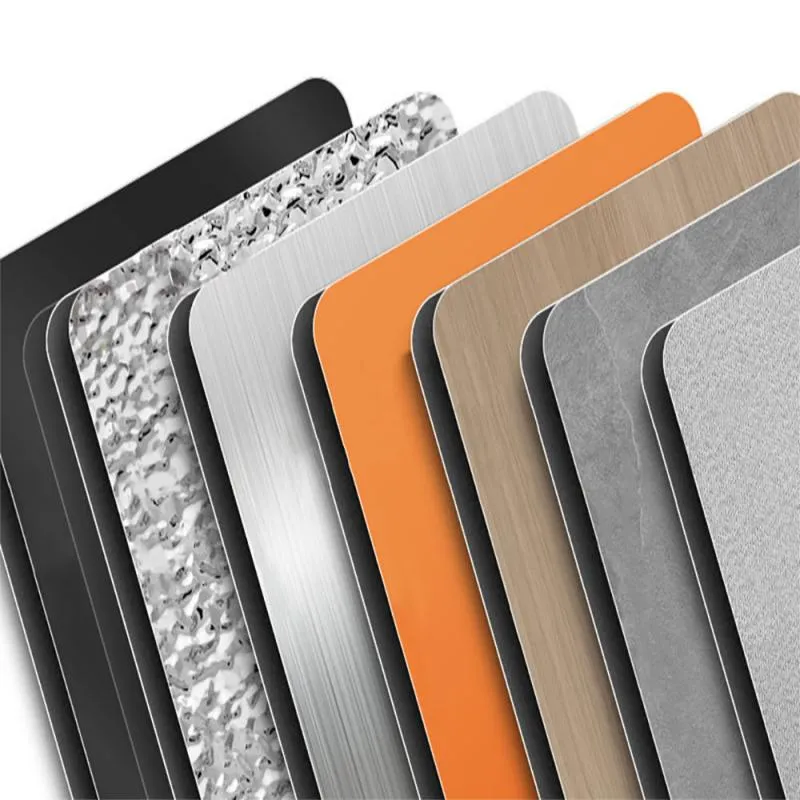
Yifang supports importers, wholesalers, contractors and project buyers with wall panel product selection, sample planning, OEM finish discussion, trims and accessories, packing review and factory quotation. Buyers can compare PVC wall panels, WPC wall panels, SPC panels, fluted profiles, PU stone panels and decorative wall panel systems based on project use.
If your order involves custom color, repeated rooms, commercial interiors or container loading, send your requirements before choosing only by price. The right supplier should help you reduce wrong samples, wrong trims and avoidable freight problems.
الأسئلة الشائعة
Is a manufacturer always better than a trading company?
Not always. But for bulk wall panel orders, direct factory control usually helps with customization, batch consistency, sample approval and packing responsibility.
What should I check before ordering one container?
Check samples, finish, trims, packing, production lead time, loading quantity, available documents and after-sales responsibility.
Can Yifang support OEM wall panel orders?
Yes. Yifang can discuss OEM finish planning, sample confirmation, packing and bulk quotation for suitable wall panel product lines.
Final Buying Note
A good wall panel supplier should help you make fewer assumptions. Send your product type, target finish, quantity and destination port. Yifang can help prepare a factory-direct wall panel quotation and sample plan.





 English
 العربية
 हिन्दी
 Español
 Français