Réponse rapide : Wall panels work best in bedrooms when they create one calm focal point, usually behind the bed, without making the room darker or harder to maintain. For most dry bedrooms, begin with a warm WPC or fine fluted feature wall. Use PVC only when easy cleaning or moisture resistance is a genuine priority, and never cover an active damp problem.
A panel can look excellent in an online photo and still feel wrong in a real bedroom. The result depends on the wall width, headboard size, daylight direction, bedside lighting, visible edges and how the finish will look after ordinary use. This guide helps homeowners, designers and renovation teams make the first material decision before ordering samples or planning installation.
Navigation rapide What to Decide Before Choosing Bedroom Wall Panels Choose the room and wall condition before choosing a colour or a groove profile. These five checks prevent most expensive bedroom-wall mistakes.
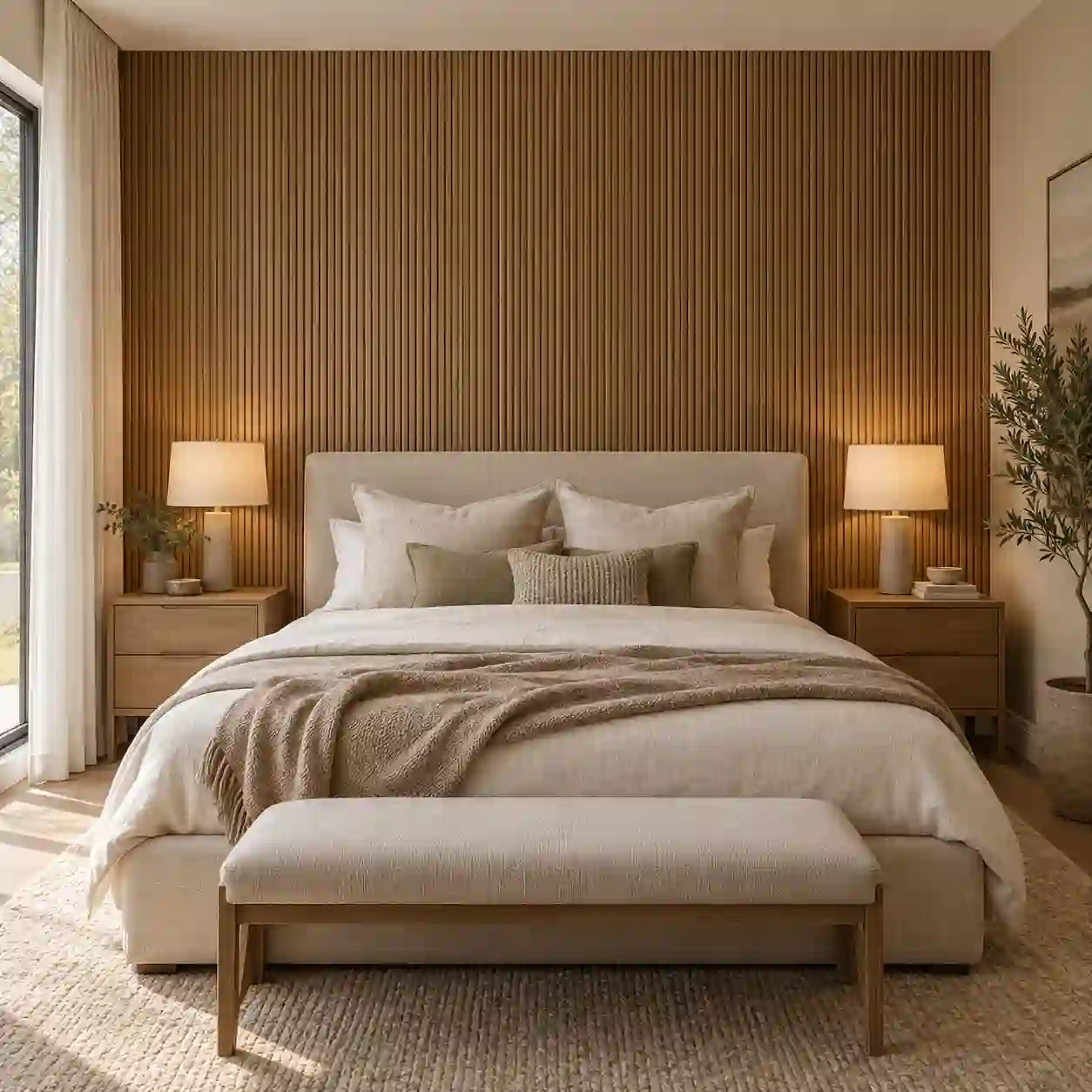
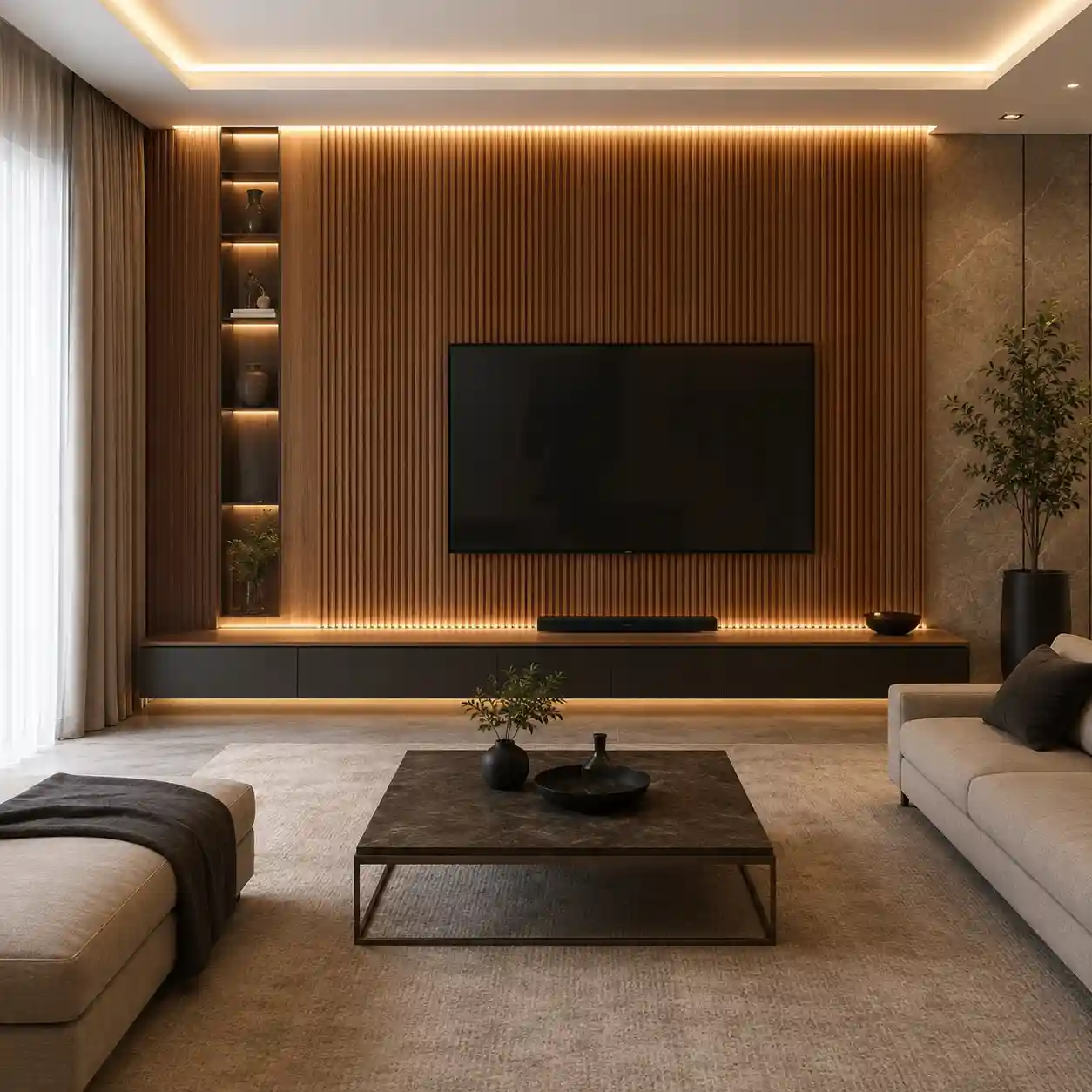
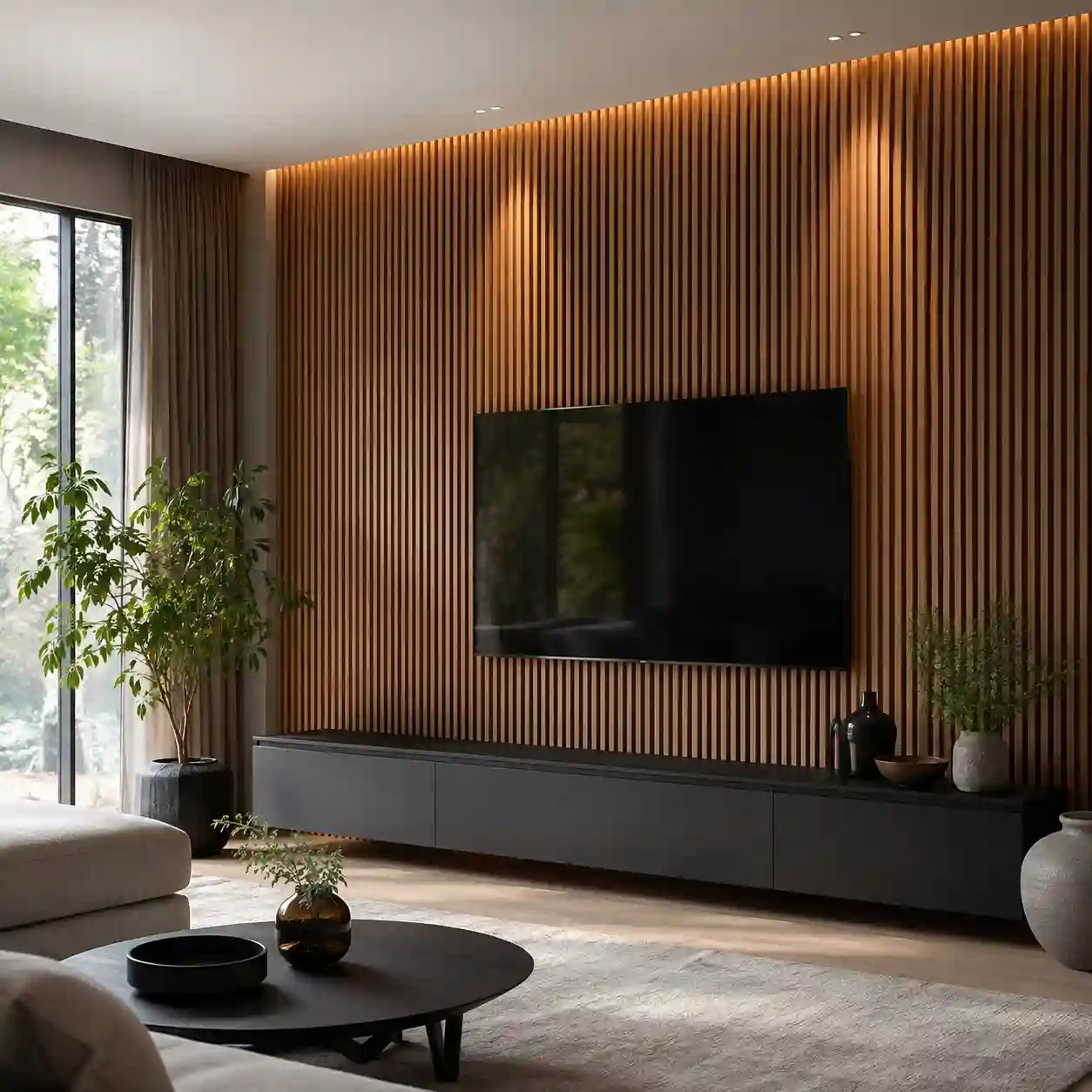
Choose the feature wall. In most bedrooms, the bed wall is the natural focal point. One well-planned wall usually feels more refined than covering every surface.Check the light. Dark finishes and deep grooves create stronger shadows. They can look dramatic in a large, bright bedroom, but may feel heavy in a compact room with limited daylight.Check the substrate. Panels can soften the look of minor visual imperfections, but they should not conceal active dampness, loose paint or a moving wall.Map interruptions. Outlets, switches, wall lamps, wardrobes, windows and door returns all affect the panel layout and cut list.Be honest about maintenance. Fine grooves and very dark matt finishes reveal dust under bedside lighting. A wider profile or smoother finish may suit everyday life better.Bedroom Wall Panel Ideas That Feel Designed, Not Overdone 1. Full-height fluted wall behind the bed A full-height fluted wall creates a clear vertical rhythm behind the bed and can make a standard ceiling feel taller. Use a fine or medium groove on a narrow wall; save wide, bold profiles for larger walls with enough daylight. It is a strong fit for modern master bedrooms, villas and boutique guest rooms.
Best for: clean-lined rooms, warm wood tones and wall-mounted bedside lights. Think twice if: the wall is visibly bowed, crowded with wardrobes or already competing with busy floor patterns.
2. Headboard-height panelling Instead of running panels to the ceiling, finish them behind and slightly beyond the bed and bedside tables. This creates a built-in headboard effect while keeping the upper wall lighter and more open. It is often the calmer choice for apartments, guest rooms and lower-ceiling bedrooms.
3. Warm WPC wood-look background wall WPC wall panels are useful when the bedroom needs a wood-look finish with easier routine care than many natural timber systems. They work well behind upholstered beds, on bedroom TV walls and beside wardrobes. Check samples in the actual room: the same oak or grey finish can look very different in daylight and under warm bedside lamps.
Explore WPC wall panels for interior walls when the project needs a warm dry-area feature wall.
4. Curved or rounded fluted panels Straight flutes look architectural. Rounded or concave grooves create a softer rhythm, which can be a better match for upholstered headboards, curved furniture and quiet neutral palettes. The wall still gains depth, but it is less likely to read like a commercial reception feature.
5. Half-height panels with paint above Half-height bedroom wall panelling adds structure without turning the entire room into a material statement. Use one calm paint colour above the panels rather than adding another competing finish. This approach can also work around low windows, long blank walls and high beds.
6. Panel only the bed zone If the bed wall is much wider than the bed, paneling only the bed zone plus the bedside tables can look more deliberate than filling every inch. It reduces unnecessary cutting and makes it easier to create a balanced composition when doors, windows or wardrobes interrupt the wall.
7. PVC panels: use them selectively PVC wall panels can be practical where easy cleaning or moisture resistance is genuinely important. For a bedroom, choose a matt or low-sheen finish if PVC is the right material. A large glossy PVC wall can reflect too much lamp light and feel visually cold, so compare WPC or fluted options first when warmth is the real objective.
WPC, Fluted, PVC, MDF or Solid Wood? There is no universal best bedroom wall panel. The better choice depends on the desired visual effect, the wall condition, the room’s light and the maintenance expectation.
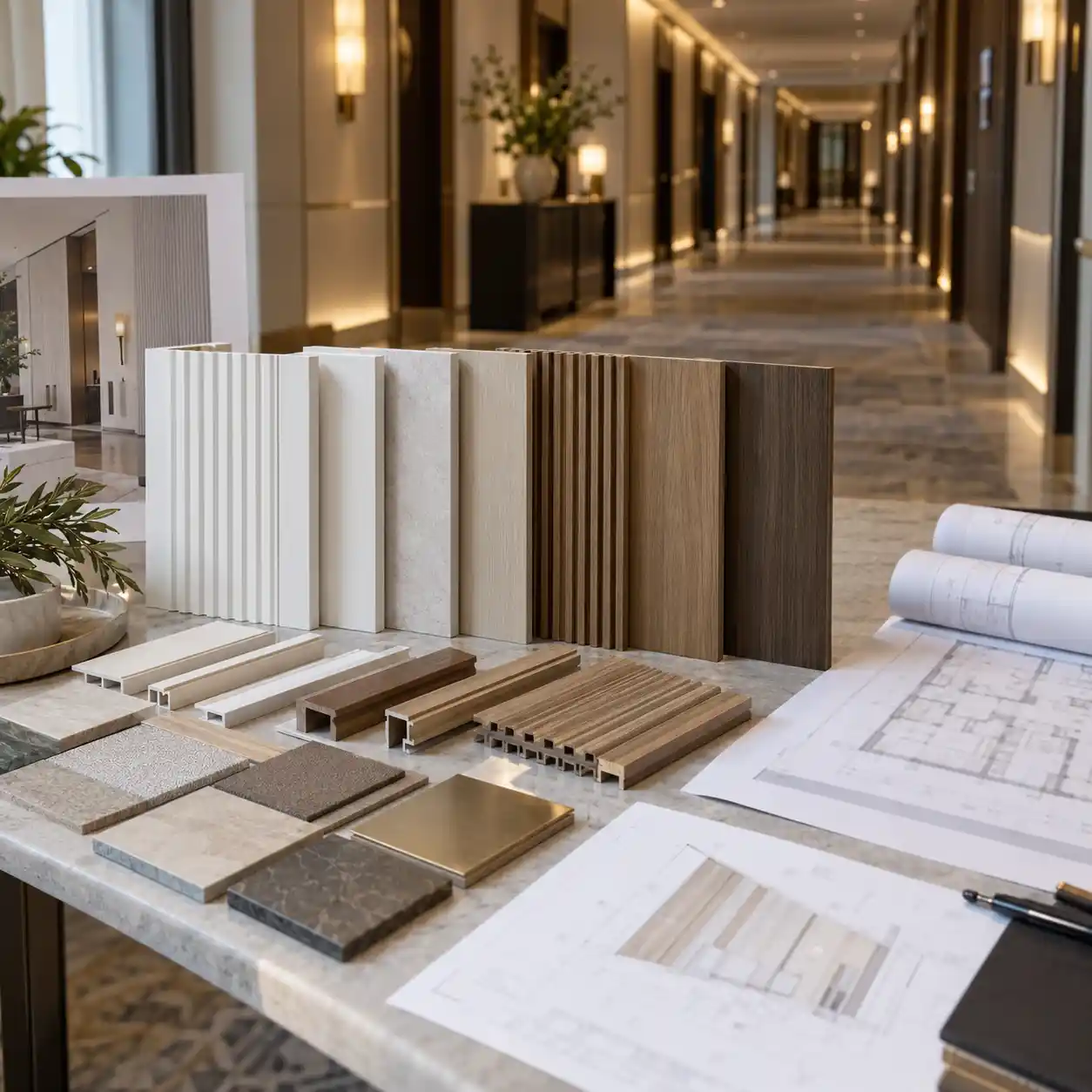
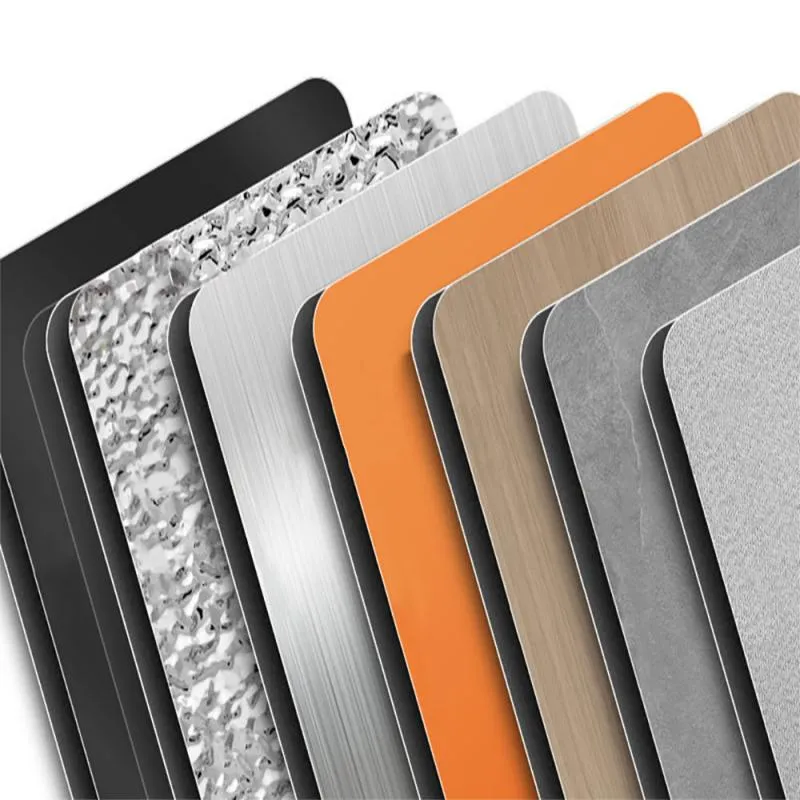
Matériau Better use in a bedroom Check before choosing Panneaux muraux en WPC Warm feature walls, bed walls, TV walls and villa bedrooms Confirm finish under real lighting; include suitable trims and a dry, stable wall. Panneaux muraux cannelés Bedrooms needing vertical texture and a stronger focal point Check groove scale, dust visibility, light direction and outlet cuts. Panneaux muraux en PVC Easy-clean accents or rooms with a stronger moisture concern Avoid overly glossy finishes where a calm bedroom atmosphere is the goal. MDF / painted panelling Paintable shaker, VJ or traditional framed wall designs Needs moisture control, sealed edges and a good painted finish. Solid wood Premium natural interiors Higher cost, natural variation and more sensitivity to climate and maintenance.
For a finer, less dramatic bedroom texture, compare the Panneau mural micro-canelé de 148 mm . For a broader decision between common materials, read MDF vs WPC vs Solid Wood vs VJ Panels .
How to Plan Bedroom Wall Panel Cost Bedroom wall panel cost is more than the price of the visible panel. A useful early budget includes the following items:
Wall area and each panel’s usable installed face width Allowance for edges, centered layouts, outlets, doors and other cut-outs Matching trims for exposed ends, internal corners, external corners and transitions Adhesive, battens or another fixing system where the wall condition requires it Wall preparation, especially for uneven or damp substrates Electrical work for moved outlets, wall lamps or planned lighting channels Labour for measuring, cutting, fitting and finishing A sensible spare quantity for later repair or extension Do not compare quotations by panel price alone. A lower panel price with no trim plan, no sample confirmation and no allowance for awkward cuts can become the higher-cost route during installation.
What to send before asking for a bedroom wall-panel recommendation Share one straight-on photo of the bed wall, wall width and height, bed or headboard width, outlet and light positions, close photos of corners or wardrobe returns, and one finish reference. This is enough to narrow the suitable material family and sample direction before anyone commits to a full installation layout.
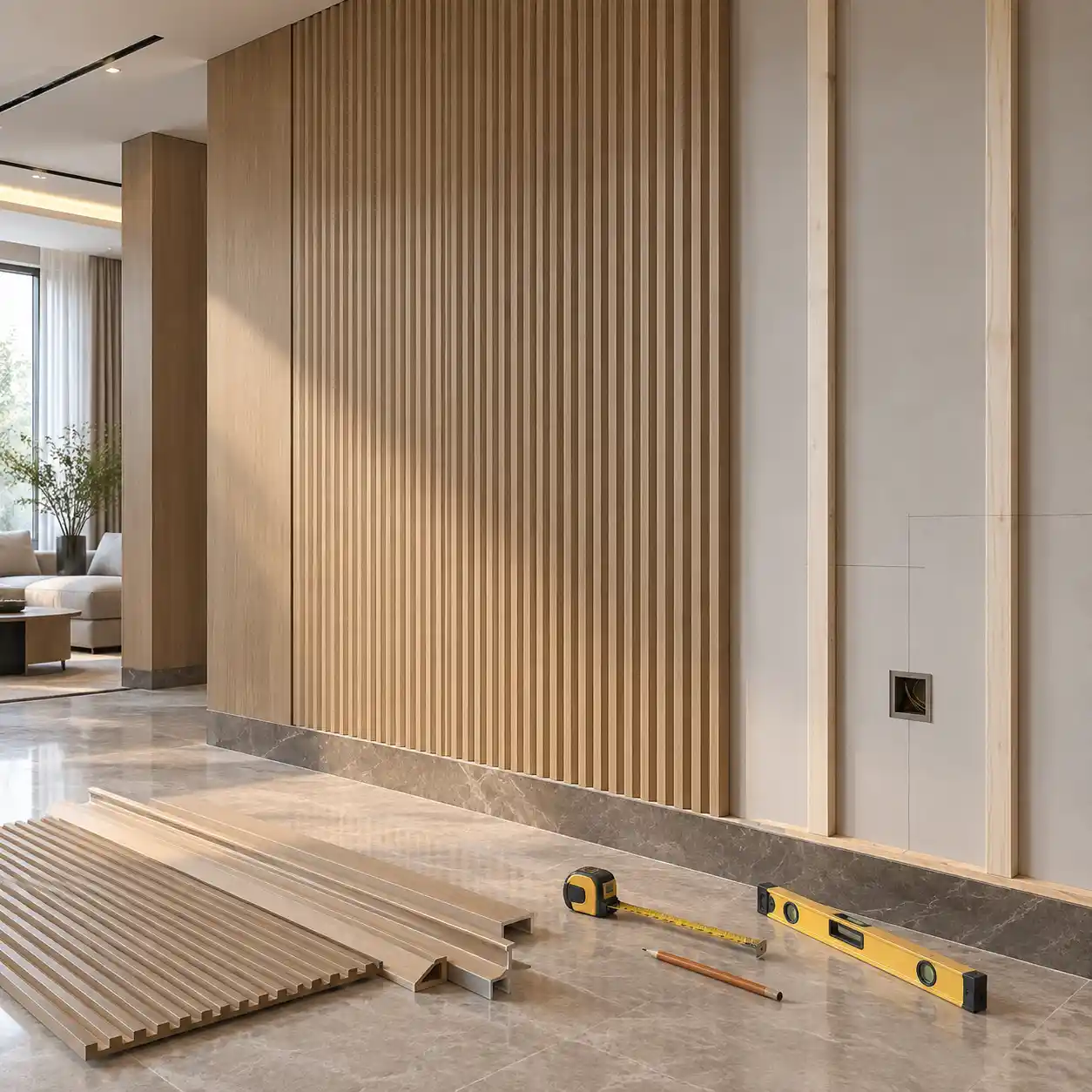
Installation Details That Change the Result Start with the wall, not the panel Check the wall with a long straight edge. A panel system may tolerate small visual imperfections, but noticeable bows can create inconsistent shadows, visible joints and edge gaps. Do not install decorative panels over active leakage, loose plaster or a wall that is still drying after repair.
Center the layout on the bed On a bed wall, center the visual layout on the bed or on the full bed-and-bedside-table composition. A narrow partial panel at one edge can be acceptable; a visibly off-centre groove pattern behind the bed usually is not.
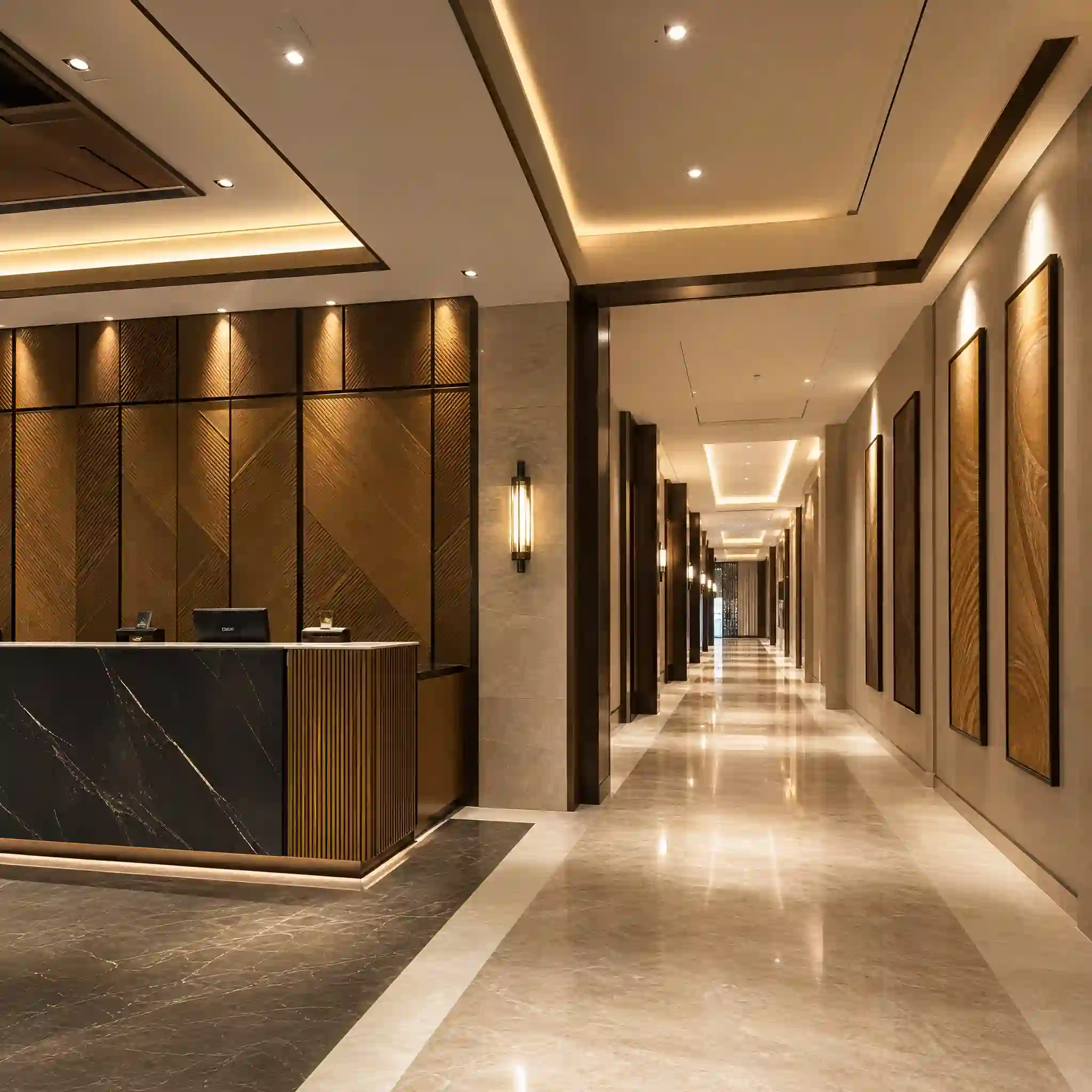
Decide how every edge will finish Exposed ends, outside corners, ceiling transitions and panel joints need a trim plan. These details decide whether the wall feels built-in or unfinished. Review moulures et accessoires pour panneaux muraux before ordering panels separately from the finishing system.
Check samples under real bedroom lighting A finish can change sharply between daylight, warm bedside lamps and recessed ceiling lights. Check the sample against flooring, bedding, wardrobe colour and the headboard before confirming the final finish.
Maintenance: Keep the Wall Looking Calm Dust fluted grooves with a microfiber duster or soft brush. Wipe matt and wood-look finishes with a lightly damp, non-abrasive cloth. Do not leave moisture inside narrow grooves. Keep sharp furniture edges and wall hooks away from exposed panel ends. Keep the approved finish code and a small spare quantity for future replacement. Fine grooves look elegant, but they need a little more attention. If minimum maintenance is more important than texture, choose a wider profile or a smoother panel finish.
When Wall Panels Are Not the Best Bedroom Choice Panels are not automatically the right answer. Paint, wallpaper or another finish may be the better choice when the wall has unresolved dampness or movement, the room is already visually busy, the style will change frequently, or the wall is heavily interrupted by wardrobes, doors or angled ceilings. A restrained wall treatment is usually better than an expensive feature wall that does not suit the room.
FAQ Are wall panels good for bedrooms? Yes. Wall panels work well in bedrooms when they are used as a controlled feature, usually behind the bed. The right panel adds texture and visual structure; excessive gloss, an unsuitable profile or an over-busy layout can make the room feel colder or smaller.
Which wall panel material is best for a bedroom? For most dry bedrooms, WPC and fluted decorative panels are practical starting points because they create a warm, structured feature wall. PVC is better reserved for situations where easy cleaning or moisture resistance is the deciding requirement.
Do fluted wall panels collect dust? Fluted panels can collect dust inside their grooves, particularly fine profiles and dark finishes under bedside lighting. A microfiber duster or soft brush handles routine care. Choose a wider or smoother profile if minimum maintenance is the priority.
Do wall panels make a small bedroom look smaller? Not necessarily. A light finish, one feature wall and vertical panel lines can make a compact room feel more intentional. Very dark finishes, deep grooves or covering every wall can make a small bedroom feel enclosed.
How much do bedroom wall panels cost? Bedroom wall panel cost depends on wall area, material, finish, trims, wall preparation, cut-outs, installation method and labour. Ask for a panel-and-trim plan based on the actual wall photo and measurements instead of comparing panel prices alone.
Can I install wall panels behind a bed? Yes. The bed wall is usually the best location because it is the visual focal point of the room. Plan the panel centerline, bedside lights, outlets, headboard width and edge trims before cutting or ordering.
Plan the Bedroom Wall Before You Buy A good bedroom wall panel should make the room feel calmer, not merely more expensive. Start with the bed wall, choose a material that matches the room’s real conditions, and approve a sample under the lighting you actually use. When you are ready to compare a panel direction, send Yifang your wall photo and measurements for a suitable material, sample and trim starting point.

 English
 العربية
 हिन्दी
 Español
 Français