Quick Navigation Quick Answer: Are Fluted Wall Panels Worth It?
The main disadvantages of fluted wall panels are that grooves can collect dust, cuts and exposed edges are easier to notice, and a strong profile can feel busy on a small wall or under hard side lighting. Total installed cost also depends on material, panel profile, wall size, cuts and trims, not only the panel price.
Choose fluted panels where shadow and texture are the design priority. For a softer concave rhythm rather than sharper straight grooves, compare the 150mm curved fluted panel before approving a finish and layout.
But the best choice depends on the space. A living room TV wall, a bathroom wall, a hotel corridor and a restaurant feature wall should not always use the same panel. Material, thickness, surface finish, trims and installation method all matter.
If you are not sure which panel fits your wall, send your wall size and room photo. Yifang can help suggest a suitable material, color, profile and trim plan before you order samples.
Useful starting points: Fluted Wall Panels , WPC Wall Panels , PU Stone Panels , Wall Panel Cost Guide and Contact Yifang .
What Are Decorative Wall Panels?
Decorative wall panels are interior wall covering materials used to improve the appearance, texture and function of a wall. They can be used for TV walls, sofa background walls, bedrooms, bathrooms, hotel corridors, reception areas, restaurants and other commercial interiors.
Compared with paint, wall panels create stronger visual depth. Compared with wallpaper, many panel systems are easier to clean and more resistant to daily wear. Compared with traditional woodwork, modern interior wall panels can offer more stable finishes and faster installation, especially for renovation projects.
For a homeowner, the main question is usually: “Will this make my room look better without becoming hard to maintain?” For a project owner, the question becomes: “Can this material stay stable, clean and presentable after repeated daily use?” A good decorative wall panel should answer both.
Panel Type Best Use Fluted wall panels TV walls, feature walls, hotel corridors and reception walls WPC wall panels Living rooms, bedrooms, commercial interiors and moisture-prone areas PVC wall panels Bathrooms, kitchens, laundry rooms and budget renovation SPC wall panels Wet areas, shower walls and tile-alternative spaces PU stone panels Villa walls, restaurant feature walls and hotel lobbies Flat decorative panels Minimalist interiors and easy-clean wall surfaces
Why Fluted Wall Panels Became Popular Fluted wall panels became popular because they solve a common design problem: flat walls often look unfinished. A fluted profile adds vertical rhythm, shadow and depth without needing heavy decoration.
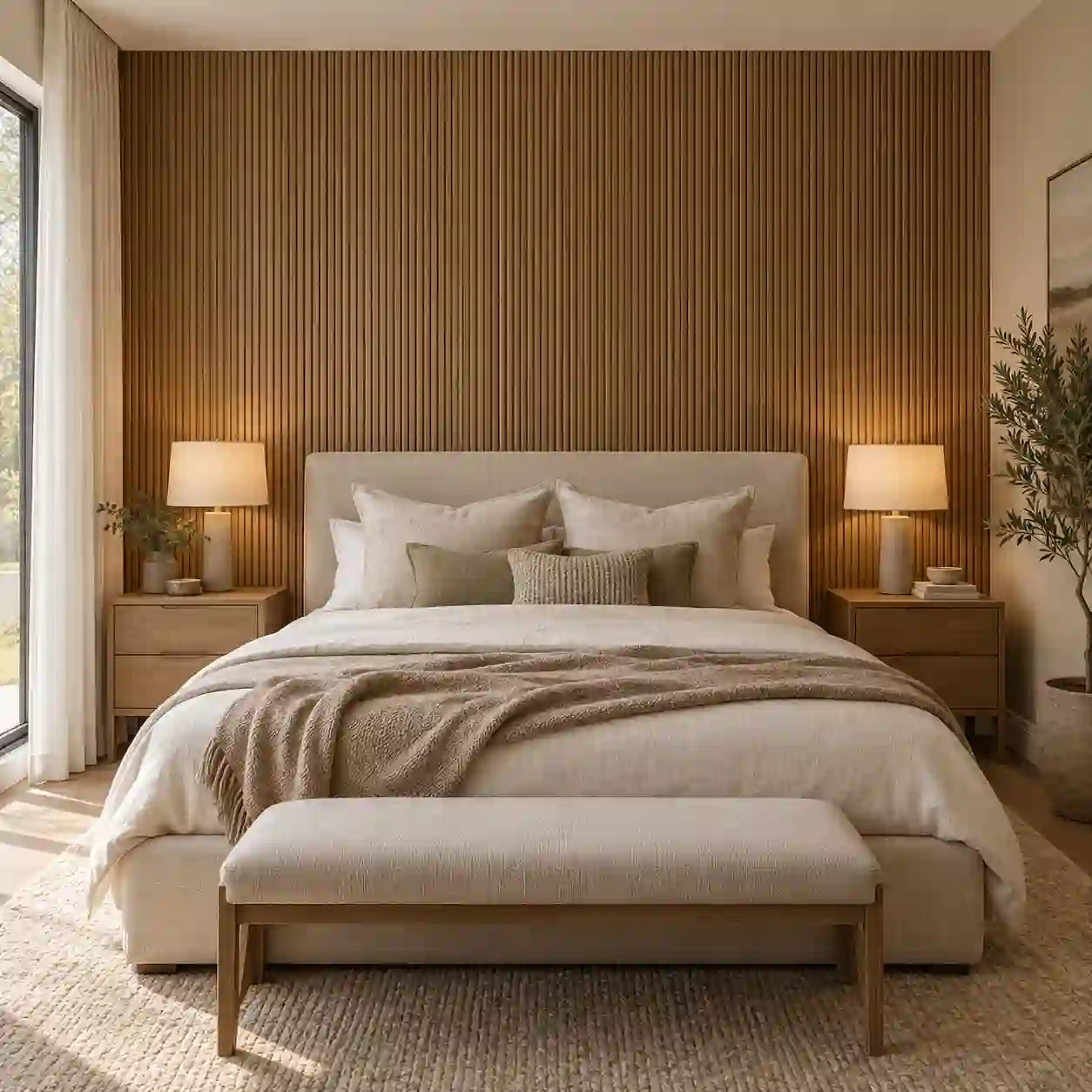
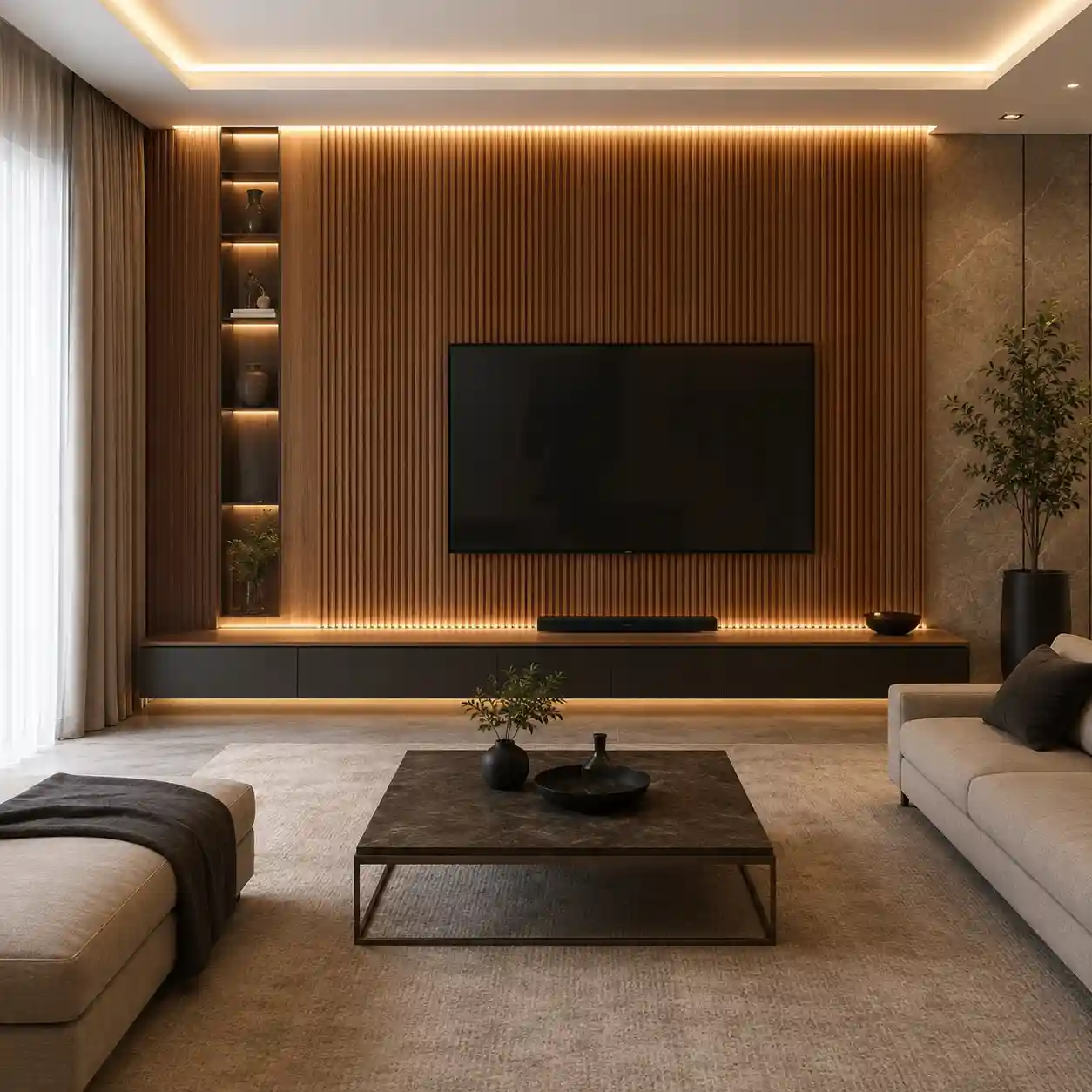
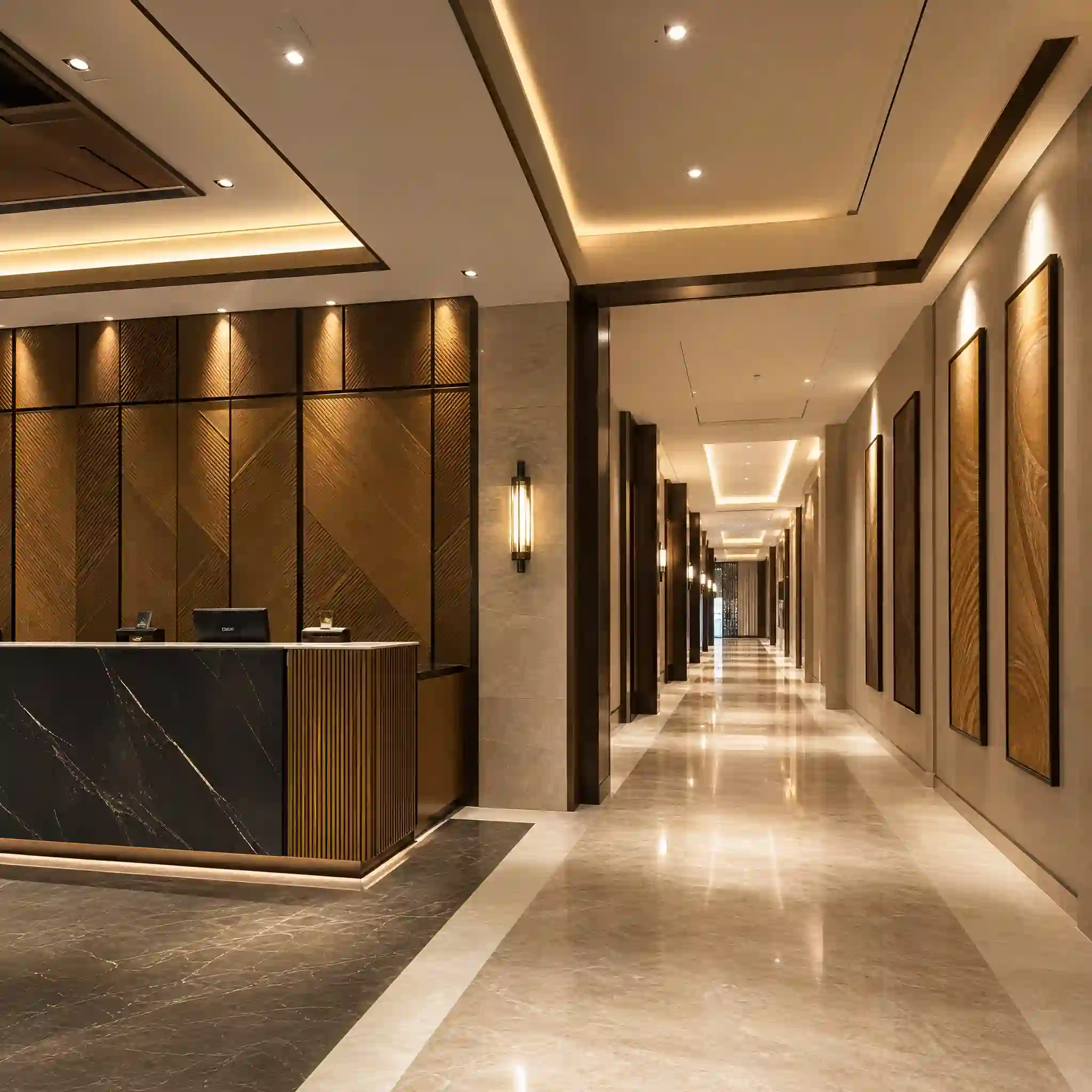
In homes, fluted panels are often used behind a TV, sofa or bed. In hotels and commercial spaces, they can make long corridors, reception counters and lobby walls feel warmer and more designed.
Benefit Why It Matters Vertical lines Make walls look taller and more refined Wood-look finishes Add warmth without using solid wood Modular installation Easier to cover large wall areas Design flexibility Works with lighting, mirrors, stone-look panels and flat panels Modern style Fits villas, apartments, hotels and commercial interiors
This is why fluted wall panels remain a strong product direction. The demand is not only from people who want “a panel”, but from users looking for a modern wall design solution.
What Are the Disadvantages of Fluted Panels? Fluted panels are useful, but they are not perfect for every wall. A professional choice should start with the real room condition, not only with a good-looking photo.
Concern What It Means Dust in grooves Deep grooves can collect dust more easily than flat panels Wrong color risk Very dark or heavy wood colors can make small rooms feel narrow Cheap surface finish Low-quality films may make the wall look artificial Installation detail Poor trims, uneven walls or bad cutting can ruin the final look Overuse Full-wall fluting everywhere may feel busy or dated Wet area limits Material selection matters if used near moisture
When a Fluted Panel Is Probably Not the Best Fit Room or condition Why fluting may be a poor fit What to compare instead Heavy grease or splash zone Deep grooves add more edges to wipe and keep clean. Use a smoother wet-area panel and confirm sealing details. Narrow wall with strong side lighting Wide grooves can create heavy shadows and make an already tight wall feel busier. Compare a micro profile, a lighter finish or a flatter decorative surface. High-contact corridor lower wall Repeated impact can damage the face or exposed edges if the profile is used without protection. Plan the lower impact zone and corner protection separately. Project decided from a small online image only Grain, groove depth and shadow change noticeably under real room lighting. Check a sample beside the planned light source before final approval.
A curved profile can give a softer shadow on TV walls, bedrooms and reception features; compare the 150mm curved fluted panel where sharp straight grooves feel too strong. For a stone-look focal wall rather than a groove profile, review PU stone panel options .
This is why panel choice should start from the room, not from the trend.
How Much Do Fluted Wall Panels Cost? Fluted wall panel cost is affected by several factors, not only the panel itself. Two panels may look similar in photos but have very different actual cost because of thickness, surface quality, installation loss and accessories.
Cost Factor Why It Changes the Price Material PVC, WPC, SPC and PU panels have different base costs Thickness Thicker or more stable profiles usually cost more Surface finish Basic film, premium wood grain, marble or custom texture affects cost Profile depth Deeper grooves can require more material Wall size Large walls need more panels and more trimming Accessories Edge trims, corner trims and matching accessories add cost Installation method Adhesive, trims, cutting and wall preparation affect labor Samples and color matching Useful for avoiding mistakes before larger orders
A 10-foot fluted panel wall can cost very differently depending on whether you use basic PVC, WPC fluted panels, premium finish panels or a custom project solution. That is why asking only “how much per panel” often gives an incomplete answer.
A better question is: what is the total wall cost after panels, trims, cutting loss, adhesive and installation? For accurate planning, send the wall width, height and room photo. A material supplier can then suggest panel quantity, trim type and a more realistic cost range.
Are Fluted Panels Expensive? Fluted panels are not always expensive. They become expensive when the project requires premium surface finish, special colors, thick profiles, high-end trims or complex installation.
For small feature walls, fluted panels can be a cost-effective way to create a stronger design effect without rebuilding the wall. For full-room projects or hotel corridors, the material choice should consider not only purchase price but also cleaning, replacement and long-term maintenance.
A cheaper panel may cost less at first, but if it scratches easily, shows color difference, bends during installation or needs frequent replacement, the total project cost becomes higher.
If Your Priority Is Better Choice Lowest renovation budget PVC wall panels Better wood-look interior WPC wall panels Waterproof bathroom wall SPC or PVC wall panels Stone feature wall PU stone panels Modern TV wall Fluted WPC wall panels Hotel corridor durability WPC, SPC or thicker decorative panels
For homeowners, it is usually better to choose one or two feature areas instead of covering every wall. For hotel or commercial projects, it is better to confirm samples, color consistency and trim details before bulk installation.
Are Fluted Panels Outdated? Fluted panels are not outdated. Poorly used fluted panels are outdated.
The difference is in proportion, color and placement. A narrow room covered with dark fluted panels on every wall can quickly feel heavy. But a well-designed fluted TV wall, a warm wood-look hotel corridor or a clean reception backdrop can still look modern and high-end.
Fluted panels work best when they are used as a feature wall, the color matches the floor and furniture, the groove size fits the room scale, and the edges are finished cleanly. Lighting should also be planned before installation, because the same panel can look very different under warm light, cool light or indirect LED lighting.
If you worry about trend risk, choose neutral wood tones, soft matte finishes or combine fluted panels with flat wall panels. This gives the wall texture without making the room too visually busy.
What Can You Use Instead of Fluted Panels? If fluted panels do not fit your space, there are several better alternatives. The right substitute depends on the problem you are trying to avoid.
Problem With Fluted Panels Better Alternative Too much dust in grooves Flat WPC or PVC wall panels Too busy for a small room Simple decorative wall panels Not suitable for wet areas SPC or PVC waterproof wall panels Want a stone feature wall PU stone panels Need hotel corridor durability WPC or impact-resistant wall panels Want easier cleaning Smooth waterproof wall panels
For bathroom renovation, shower walls or laundry rooms, fluted panels may not be the first choice. Waterproof panels with fewer grooves are usually easier to clean. For villa TV walls or restaurant feature walls, PU stone panels may create a stronger natural texture. For hotel corridors and commercial spaces, durability and replacement planning are often more important than trend style.
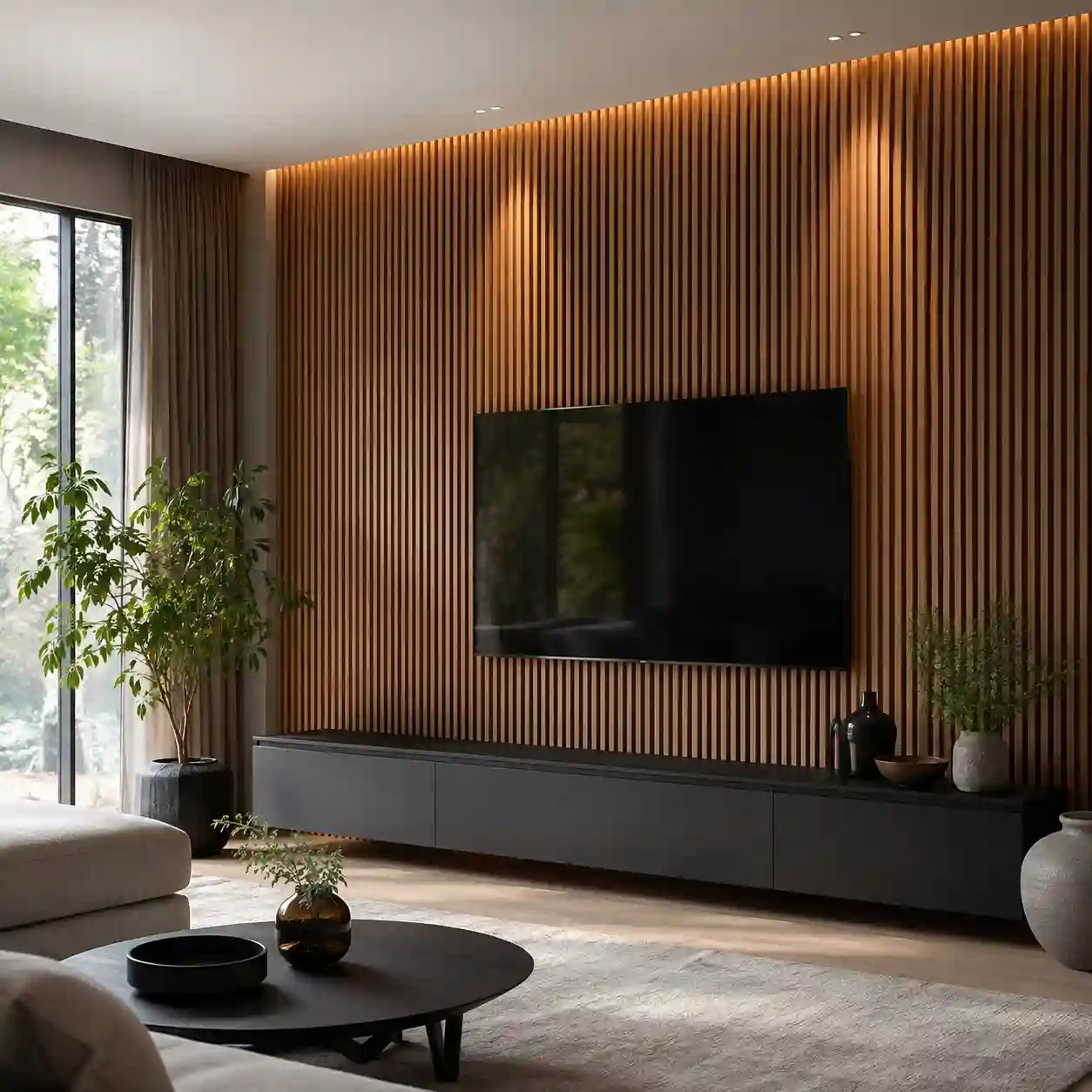
How to Choose Decorative Wall Panels by Room Living Room TV Wall For a living room TV wall, choose panels that create texture but do not compete with the screen. Fluted WPC panels, wood-look decorative panels and PU stone panels are common choices. Use soft lighting, avoid very reflective finishes and keep the color close to the floor or furniture tone. A warm wood finish often works better than a very dark heavy color in smaller homes.
Recommended internal link: Fluted Wall Panels
Bedroom Feature Wall Bedrooms need a softer look. Choose low-gloss surfaces, warm wood tones or light neutral panels. Avoid very deep grooves if the room is small or if the bed wall already has many decorative elements. WPC wall panels can work well because they provide a wood-like feeling with easier maintenance than natural wood.
Recommended internal link: WPC Wall Panels
Bathroom or Laundry Wall Bathrooms and laundry rooms need waterproof performance first. In these areas, do not choose panels only because they look beautiful in photos. Check the material, edge sealing, trims, adhesive compatibility and cleaning method. SPC and PVC wall panels are usually more suitable for wet areas than standard wood-based panels.
Recommended internal link: SPC Wall Panels
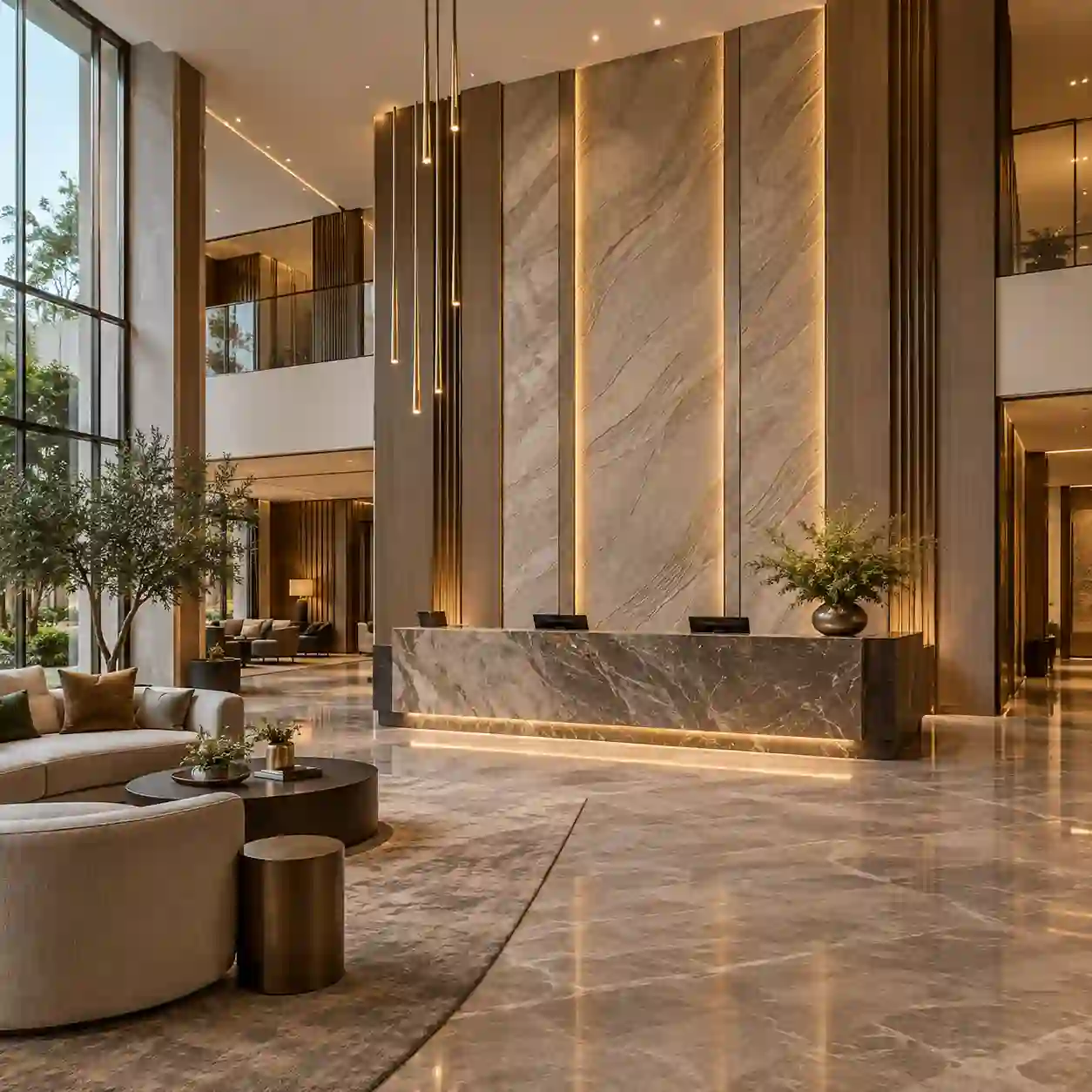
Hotel Corridors and Commercial Interiors Hotel corridors, offices, restaurants and retail spaces have more traffic than homes. The wall may be touched, bumped or cleaned many times. For these spaces, choose panels based on surface wear resistance, easy cleaning, stable color batch, impact resistance, replaceable sections, matching trims and safety documentation when required by the project.
A beautiful panel is not enough. For commercial interiors, the panel must stay presentable after daily use.
Recommended internal link: Hotel Wall Panel Design
How to Avoid Cheap-Looking Wall Panels Many people worry that wall panels will look cheap. Usually, the problem is not the idea of wall panels. The problem is poor material, wrong finish or careless installation.
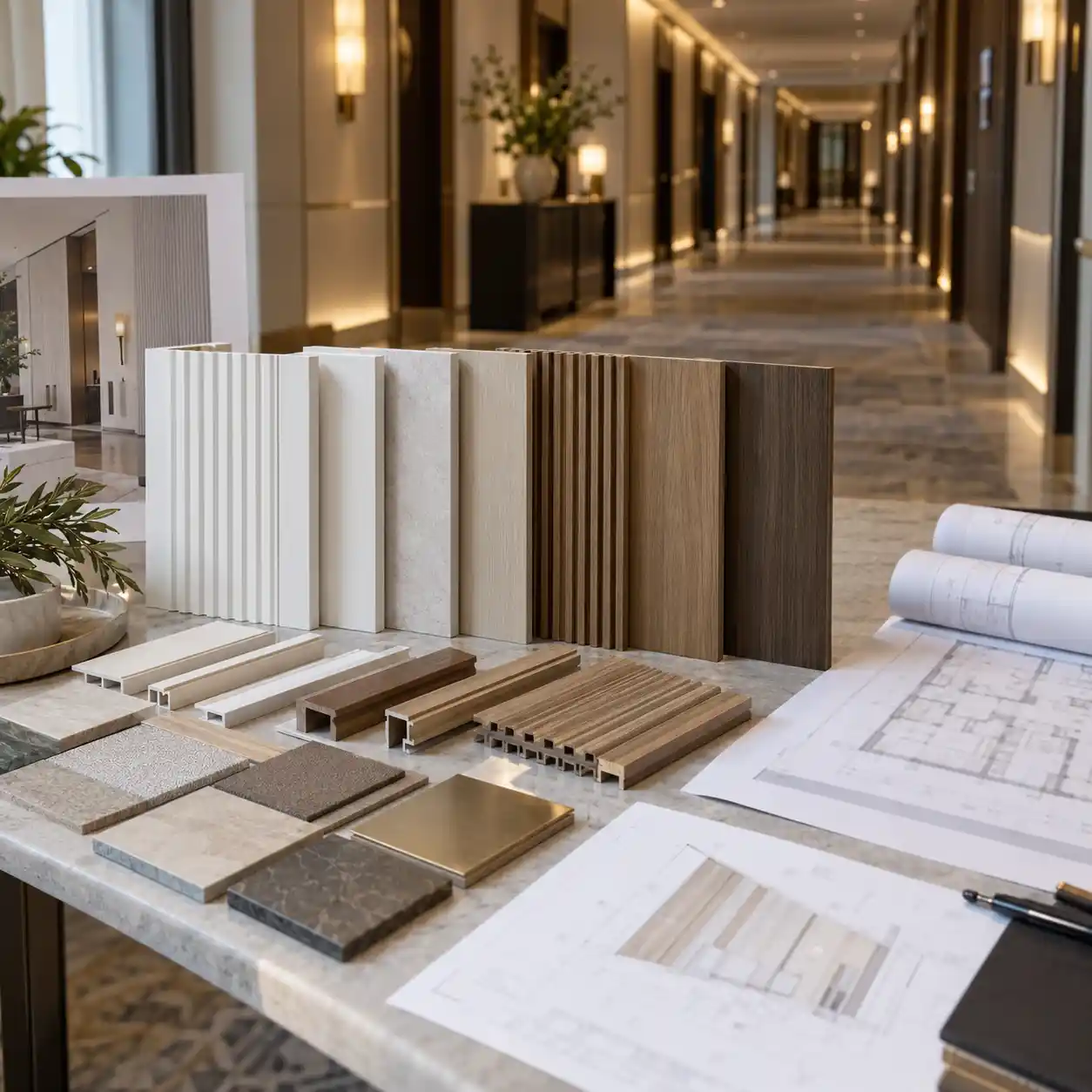
Detail Better Practice Surface Choose matte, realistic wood grain or stone texture Color Avoid overly orange, red or plastic-looking finishes Layout Align panels carefully and avoid awkward short cuts Trims Use matching trims for edges, corners and transitions Lighting Test how the finish looks under warm and cool light Sample Check physical samples before larger installation Room fit Match panel scale to wall height and room size
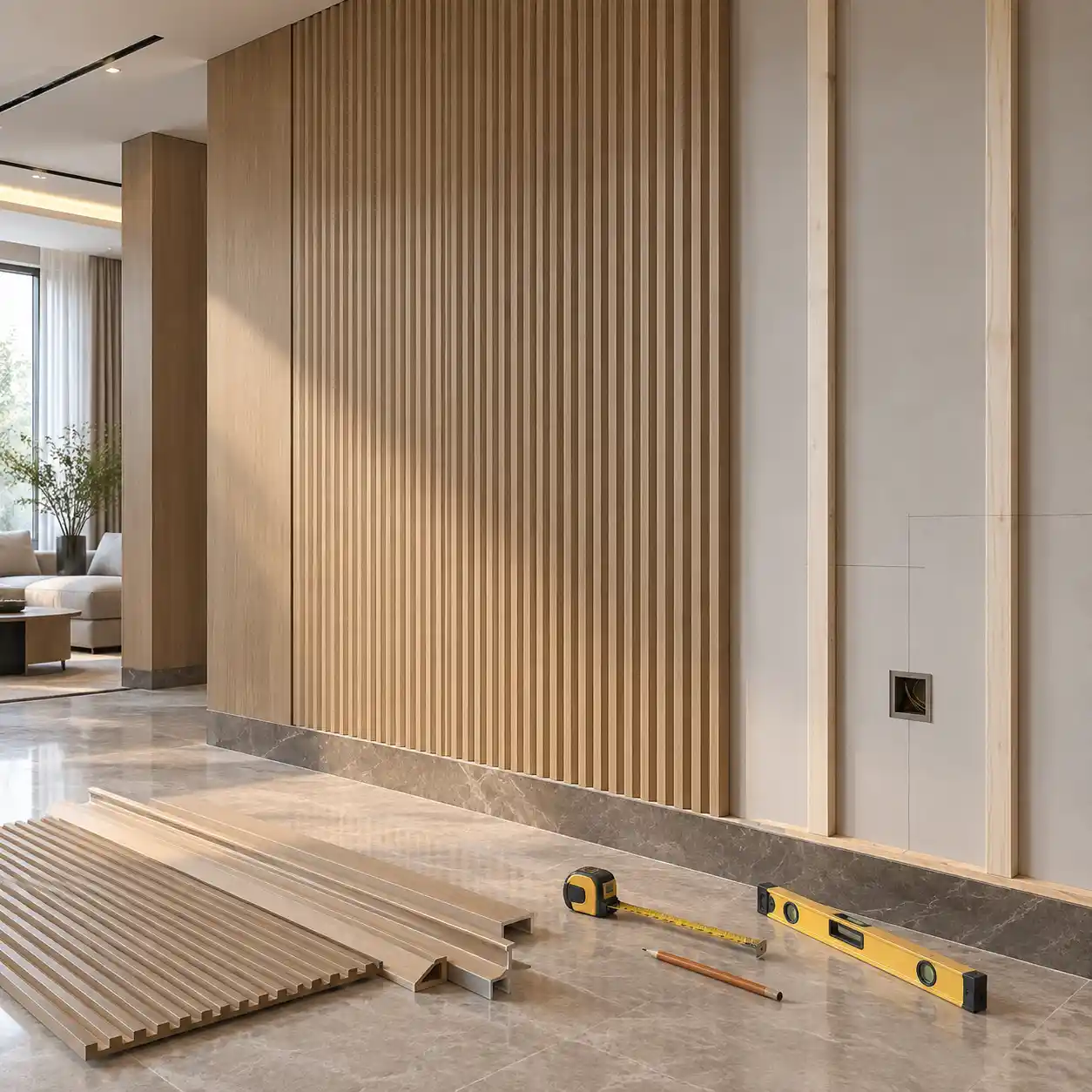
For high-end homes and commercial projects, samples are especially important. A finish that looks good on a phone screen may look different under real lighting. If you want the wall to look premium, do not only compare price. Compare texture, thickness, edge details, panel straightness and how the wall will be finished at corners and openings.
Related guide: Do Bathroom Wall Panels Look Cheap?
Quick Selection Checklist Your Situation Recommended Direction I want a modern TV wall Fluted WPC wall panels I want a waterproof bathroom wall SPC or PVC wall panels I want a stone-look feature wall PU stone panels I need a hotel corridor wall WPC, SPC or durable decorative panels I want easy cleaning Smooth PVC or WPC wall panels I worry panels will look cheap Choose better surface finish and matching trims I do not know what to choose Send wall photo, size and design style for suggestion
Compare the Profile Before You Decide “Fluted” does not describe one fixed look. Groove width, rounded or straight edges, panel face width and room lighting can change the finished result. Before choosing by colour alone, compare fluted wall panel profiles and design directions ; curved profiles are useful where you want a softer shadow line on a villa TV wall, reception wall or bedroom feature wall.
Need Help Choosing the Right Wall Panel? Choosing decorative wall panels is not just about picking a beautiful photo. The right choice depends on your wall size, room type, lighting, moisture level, budget and installation details.
If you are planning a home renovation, villa wall, hotel corridor, restaurant feature wall or commercial interior project, send us your wall width and height, room photo, preferred color or style, wet or dry area information and project quantity if available.
Yifang can help suggest a suitable wall panel material, profile, finish and trim plan before you order samples or start installation.
Send your wall photo and project details
FAQ What are the disadvantages of fluted panels? Fluted panels can collect dust in the grooves, look busy if overused and require careful cutting and trim work. Low-quality finishes may also make the wall look cheap. They work best when used in the right room, with the right color, lighting and installation details.
How much do fluted wall panels cost? Fluted wall panel cost depends on material, thickness, surface finish, wall size, trims, installation method and waste allowance. A full wall cost should include panels, accessories, adhesive, cutting loss and labor, not only the panel price.
Are fluted panels expensive? Fluted panels can be affordable for small feature walls but may become more expensive for large projects, premium finishes or custom colors. For commercial spaces, long-term cleaning and replacement cost should also be considered.
How much does a 10-foot fluted panel cost? A 10-foot fluted wall cost depends on the wall height, panel width, material type and trim requirements. The best way to estimate is to calculate the full wall area and confirm the panel quantity, cutting loss and accessory needs.
Are fluted panels outdated? Fluted panels are not outdated when used with modern colors, clean proportions and good lighting. What looks outdated is overusing dark panels, choosing poor surface finishes or installing them without proper edge details.
What can I use instead of fluted panels? You can use flat WPC wall panels, PVC waterproof panels, SPC wall panels or PU stone panels, depending on the room. Smooth panels are easier to clean, SPC/PVC panels work better in wet areas, and PU stone panels create a stronger feature wall effect.

 English
 العربية
 हिन्दी
 Español
 Français