Quick answer: Fluted wall panel installation for villas, hotels and commercial interiors is not just a cutting job. A clean result depends on wall flatness, groove alignment, outlet planning, matching trims, the right fixing method and a clear installation plan before buying or approving project materials.
For homeowners, designers, contractors and hotel renovation teams, the safest approach is to confirm room type, wall size, panel profile, trim details, outlet positions and installation method before purchase. If you are still comparing styles, start with fluted wall panels, WPC fluted wall panels and wall panel trims and accessories.

Before You Install, Prepare These Photos and Measurements
For a cleaner quote and fewer site mistakes, prepare one straight photo of the full wall, close-up photos of corners and outlets, ceiling height, wall width, door positions and the planned panel direction. These details help confirm whether you need edge trims, outside corner trims, joint connectors, adhesive fixing or extra cutting allowance.
For hotel corridors, reception walls and repeated commercial areas, also mark the first wall section, the repeated wall module and any service doors. This makes the installation plan easier to check before panels arrive on site.
Why Installation Planning Matters
Fluted wall panels create vertical rhythm, shadow and depth. This is why they are popular for TV walls, hotel lobbies, corridors, bedrooms, offices, restaurants and retail display walls. The same strong visual lines also make installation mistakes easier to notice. If the grooves are not aligned, if an outlet cutout is rough, or if the corner trim is missing, the wall can look unfinished even when the panel itself is attractive.
For villa owners and interior designers, planning protects the final look. For hotel and commercial project buyers, planning also protects schedule, material quantity and installation consistency across repeated rooms. A sample wall, a trim plan and a cutting plan can save many small problems on site.
Best Applications for Fluted Wall Panels
Villa TV Walls and Bedroom Feature Walls
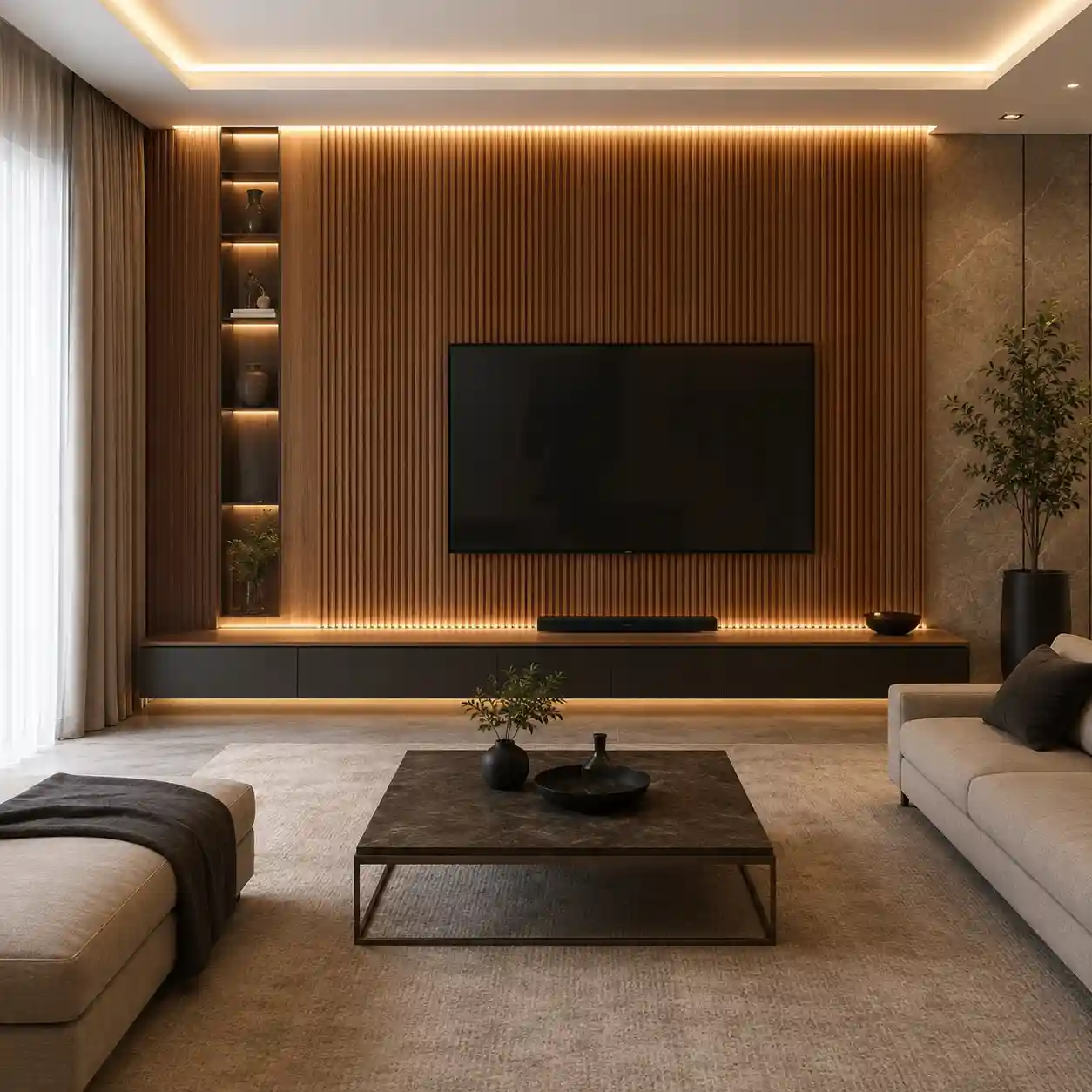
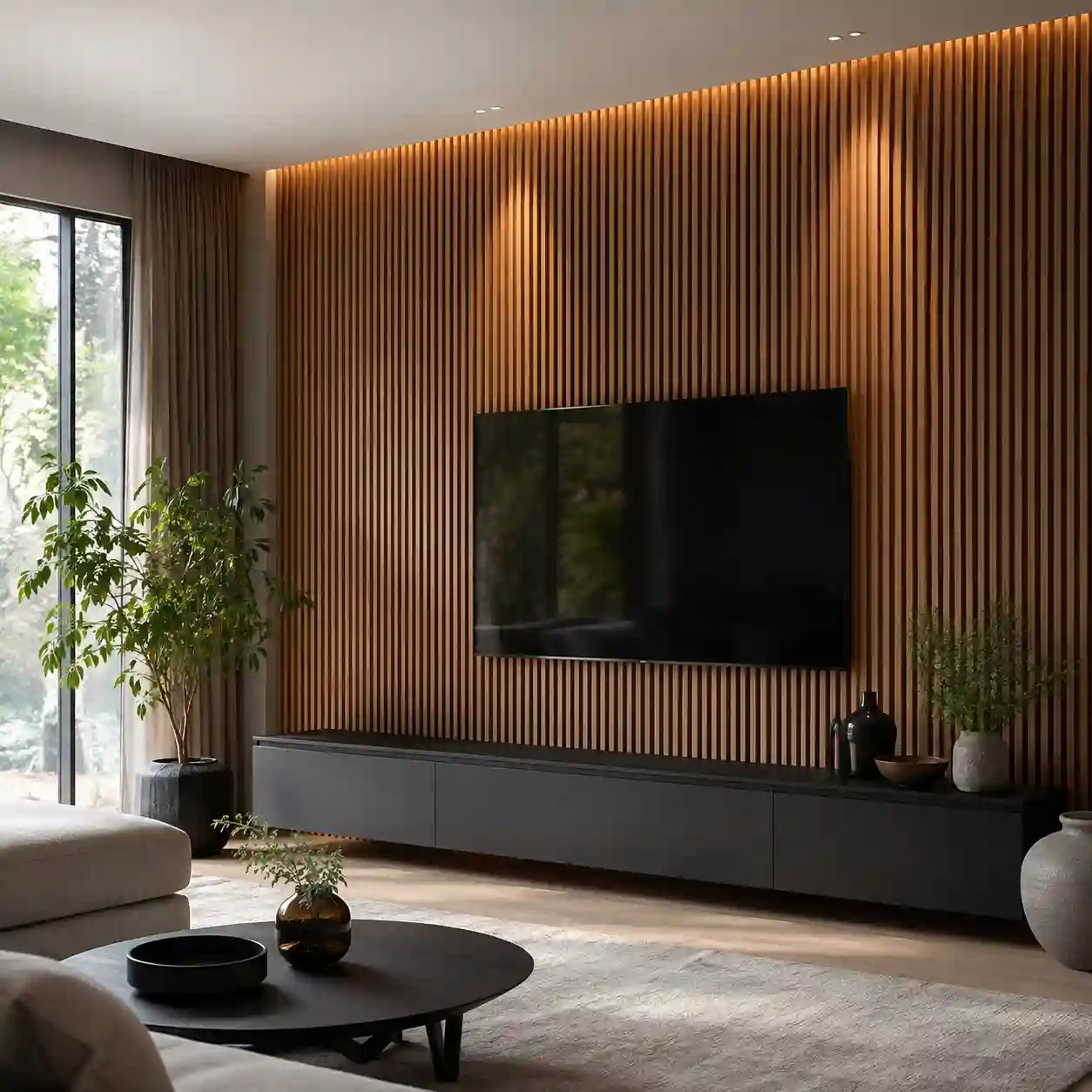
In residential renovation, fluted wall panels are often used behind a TV, around a bed headboard, beside a staircase or in an entrance hallway. The main goal is usually appearance: cleaner lines, warmer texture and a more designed look than a plain painted wall. For villa wall panel decoration, the most important details are color matching, light reflection, edge finishing and whether the wall includes sockets, switches or hidden lighting.

Hotel Lobbies, Corridors and Guest Rooms
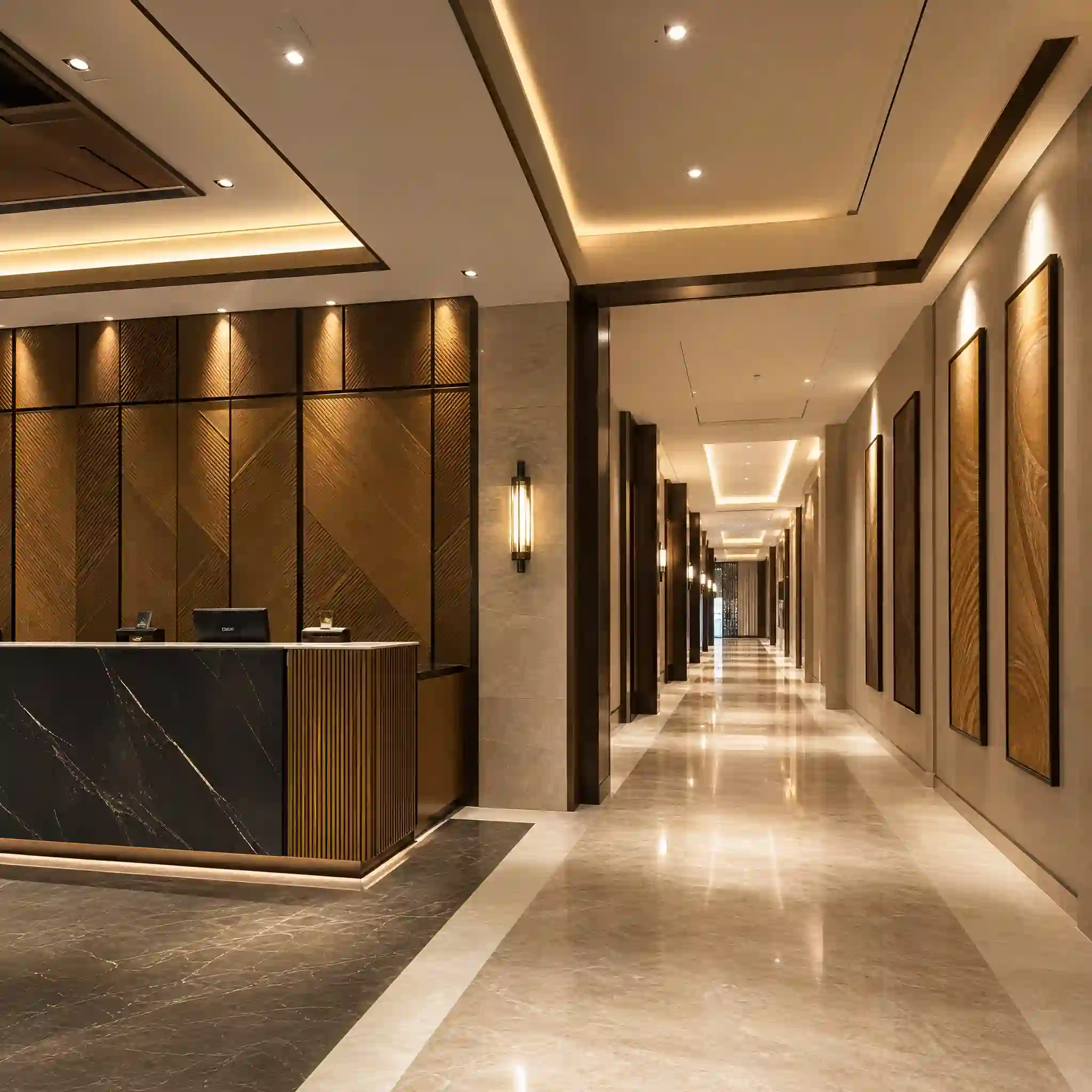
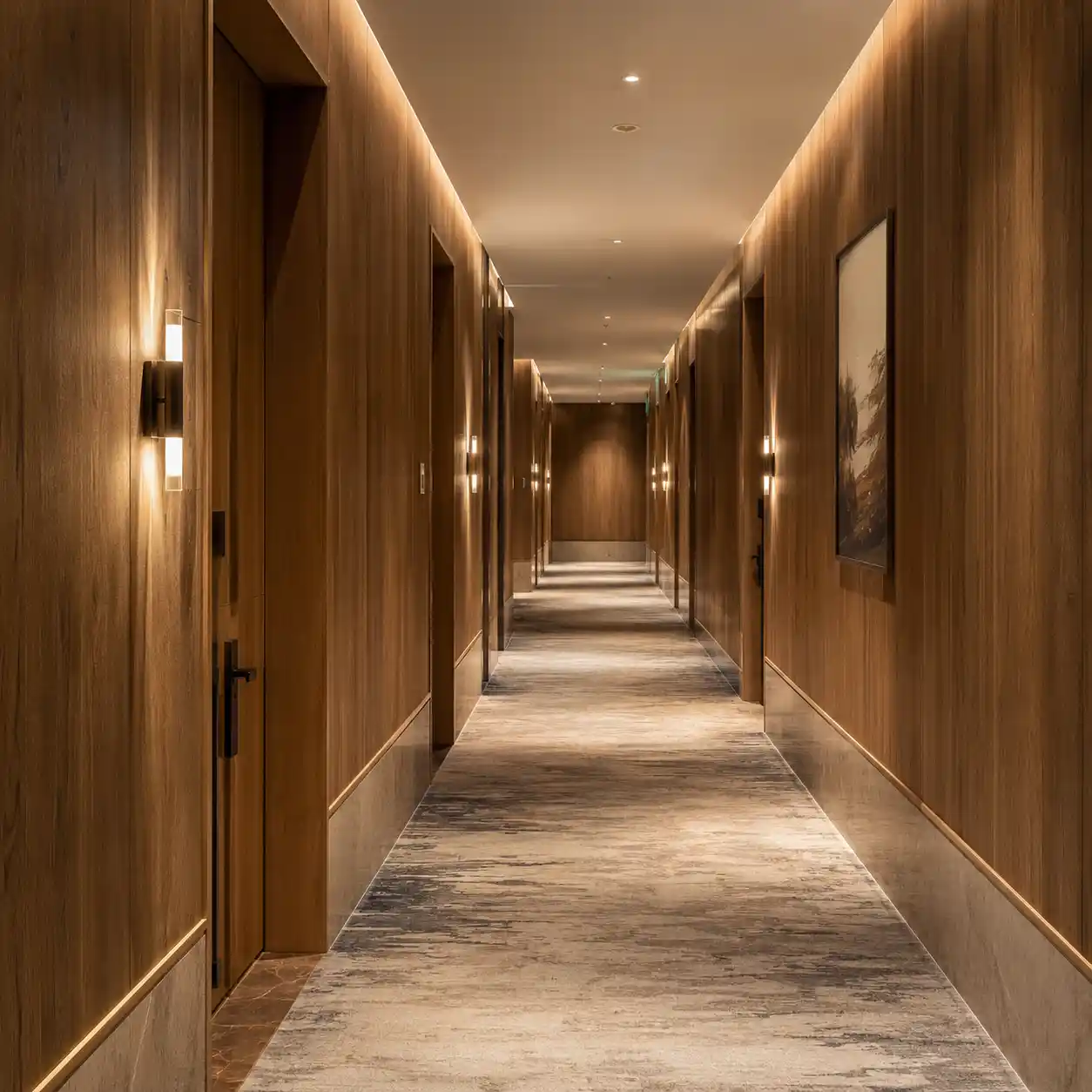
Hotels need decorative walls that look consistent across many spaces. Fluted panels can be used in lobby reception walls, guest room headboard walls, elevator halls and corridor feature areas. For hotel wall panel decoration, buyers should confirm repeated room dimensions, corner types, trim quantity, packing method and whether local project documents require a specific fire-rating document.
Restaurants, Offices and Retail Display Walls
Restaurants and retail spaces use fluted panels to create a warm commercial atmosphere without heavy stone or complex carpentry. Offices may use them for reception walls, meeting rooms and background walls. In these projects, the installation must consider signage, electrical outlets, wall lights and areas that may receive more frequent cleaning or contact.
Pre-Order Checklist Before Installation
Many installation problems begin before the panels arrive. The buyer chooses a panel, but the installer later discovers that corners, switches, exposed edges or wall unevenness were not considered. Before ordering, prepare the following information:
| Item to Confirm | Why It Matters |
|---|
| Wall size and quantity | Helps calculate panel quantity, trim quantity and spare material. |
| Room type | Villa, hotel, restaurant and office projects may need different finishes or fixing methods. |
| Panel profile | Groove width, depth and panel width affect the final visual rhythm. |
| Outlet and switch positions | Prevents rough cutouts and awkward groove alignment. |
| Corner and edge details | Decides whether outside corners, inside corners, closing lines or base trims are needed. |
| Installation method | Adhesive, screws, profiles or a combined method should match the wall substrate. |
Check the Wall Before Installation
A fluted wall panel needs a stable and reasonably flat base. If the wall is loose, damp, uneven or dusty, the panel may not sit correctly. Covering a bad substrate with decorative panels rarely solves the real problem. Before installation, check wall flatness, surface strength, moisture condition, installation height, outlet locations and corner conditions.
For commercial interiors, the first room or first wall should be treated as a standard sample. Once the profile, cutting direction, trim details and fixing method are approved, the same standard can be repeated across hotel rooms, apartments or office areas.
Cutting Fluted Wall Panels
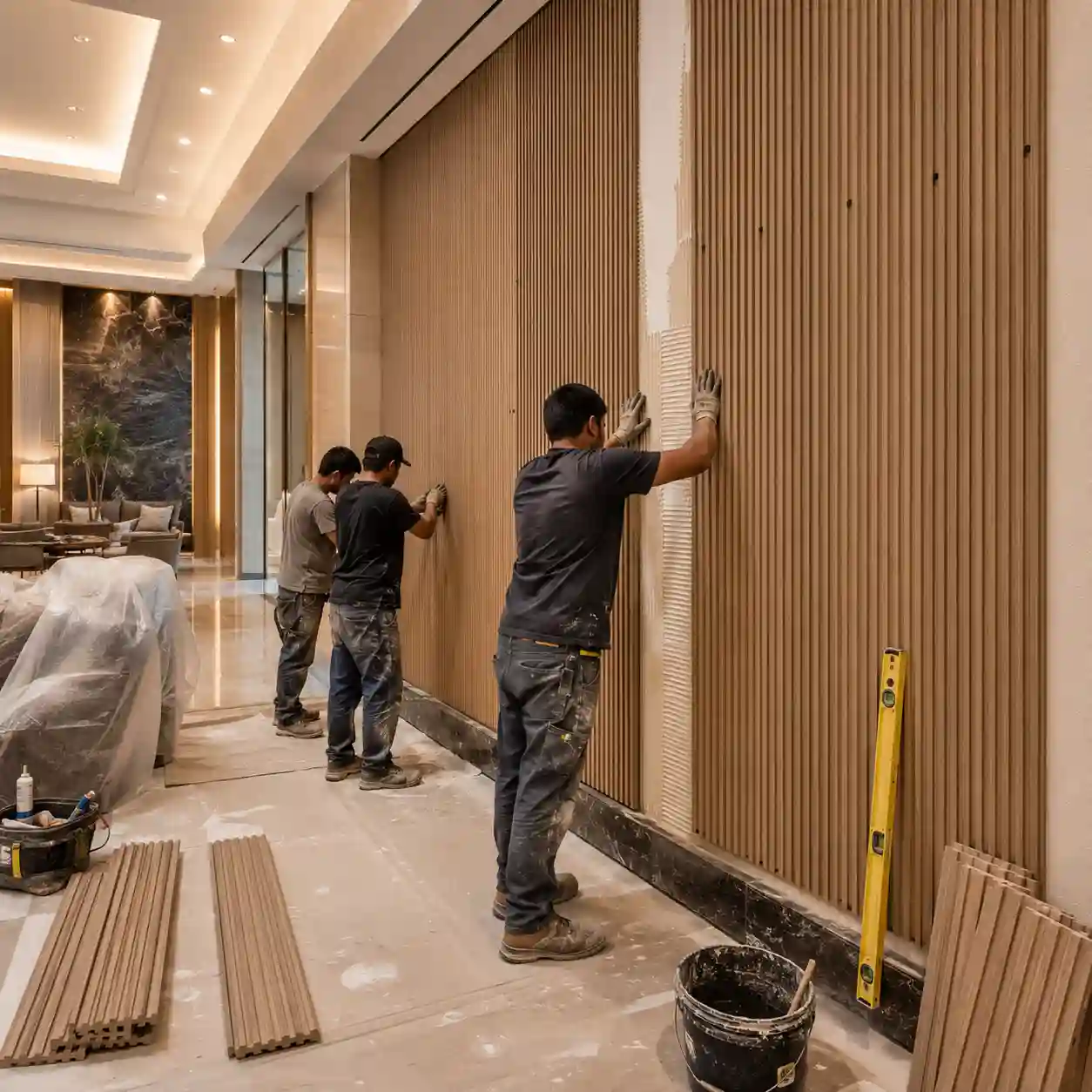
Cutting should be planned before panels arrive on site. Installers need to know panel direction, groove spacing, visible edge positions and where narrow cuts will appear. A common mistake is cutting panels only by wall width. For a feature wall, the left and right edges should look balanced. For repeated hotel rooms, a repeatable cutting plan helps reduce waste and keeps each room consistent.
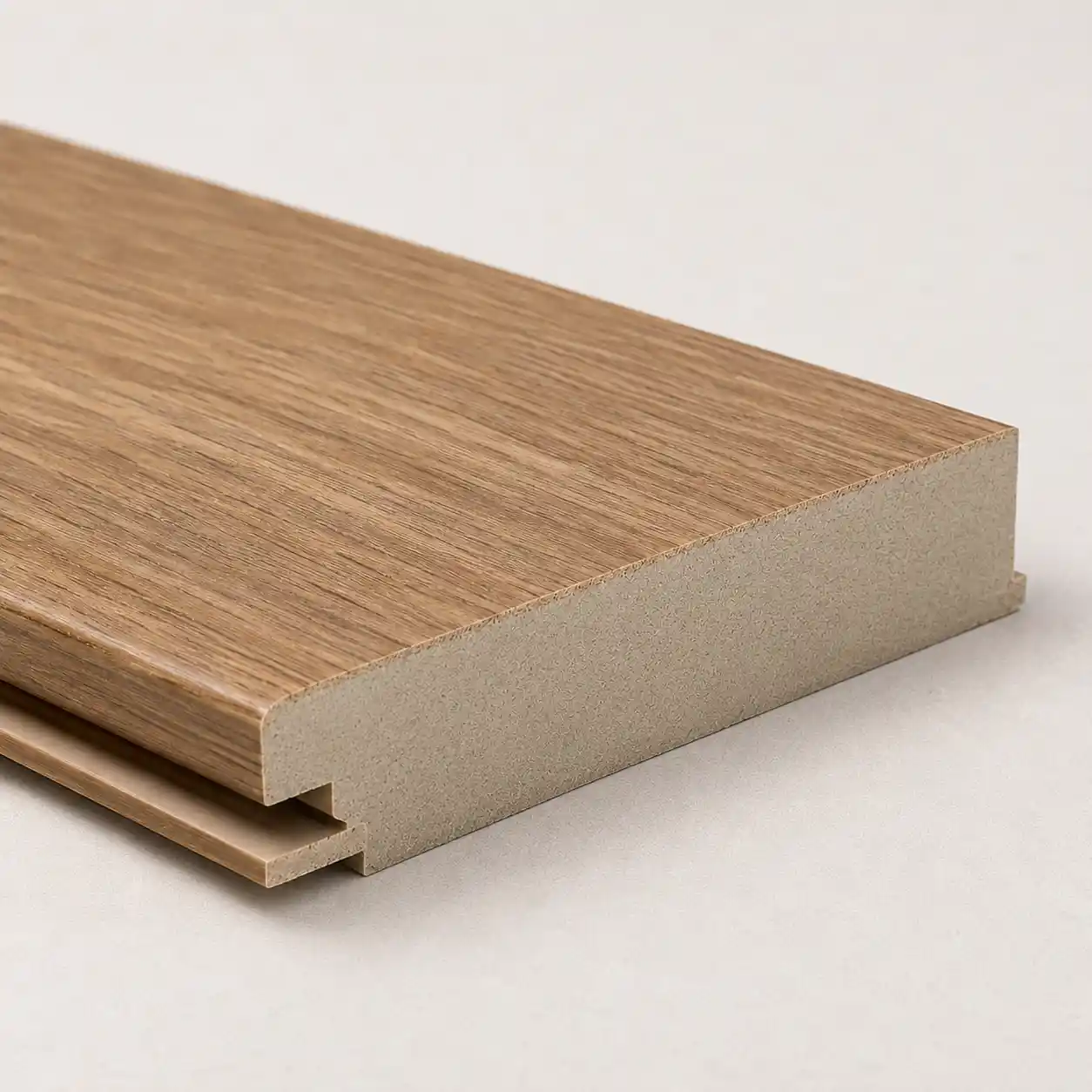
Project buyers should ask the factory or supplier for profile drawings, panel dimensions and recommended spare quantity before installation. This is especially useful for fluted, grille and Great Wall board style profiles, where groove shape affects the visual alignment.

Outlets, Switches and Openings
Outlets are one of the most common problem areas in fluted wall panel installation. The cutout must be clean, aligned and safe. If the groove pattern runs through the outlet area, the installer may need to adjust the panel layout or use a trim solution around the opening.
For villas, mark TV sockets, power outlets, data ports and light switches before the panel is cut. For hotels, provide outlet drawings or site photos before ordering because electrical points are often repeated across many rooms. A small cutting mistake repeated across 30 or 100 rooms can become an expensive problem.
Adhesive vs Screws
Some projects use adhesive, some use mechanical fixing, and some use both. The right method depends on the wall substrate, panel material, room condition and future maintenance needs. Adhesive can create a cleaner visible finish, but removal may be more difficult. Screws or fixed profiles can improve mechanical holding strength, but the fixing points must be planned so they do not damage the appearance.
Yifang’s product knowledge notes that metal profiles can be fixed to the wall or base board with steel nails or self-tapping screws before installing decorative panels. Glue can also be applied on the back for reinforcement where suitable. Installers should avoid exposing aluminum profile surfaces to corrosive substances such as paint thinner, acidic silicone sealant or cement.
Trims Decide Whether the Wall Looks Finished
Trims are not small accessories to think about at the end. Inside corners, outside corners, splicing profiles, I-beams, closing lines, baseboards and top lines help manage transitions and exposed edges. For fluted wall panels, edge details are very visible. A good-looking surface can still look unfinished if the corner is rough or the edge is exposed.
Before ordering, confirm trim type, trim color, quantity and which walls need each profile. If the panel color is wood grain, stone texture, gray, black or white, the trim color should be selected early so the finished wall looks intentional rather than patched together.
Common Mistakes That Make Fluted Panels Look Cheap
Fluted panels can look premium, but the installation details decide the final result. Avoid these common problems:
- Installing over an uneven or weak wall without preparation.
- Cutting panels without considering groove symmetry.
- Leaving exposed panel edges without closing trims.
- Using the wrong adhesive for the wall substrate.
- Forgetting outlet and switch positions before cutting.
- Ordering panels but not enough trims or spare pieces.
- Mixing different batches or finishes without checking color consistency.
Installation Workflow for Villas and Commercial Projects
A simple workflow can help both residential and commercial projects stay organized:
- Measure the wall and mark outlet, switch and lighting positions.
- Check wall flatness, moisture condition and surface strength.
- Confirm panel direction, profile size and finish sample.
- Plan corners, exposed edges, base lines and top lines.
- Choose adhesive, screws, profiles or a combined fixing method.
- Cut panels according to the approved layout.
- Install the first visible wall or sample room for approval.
- Repeat the same standard for the remaining rooms or areas.
How Yifang Supports Fluted Wall Panel Projects
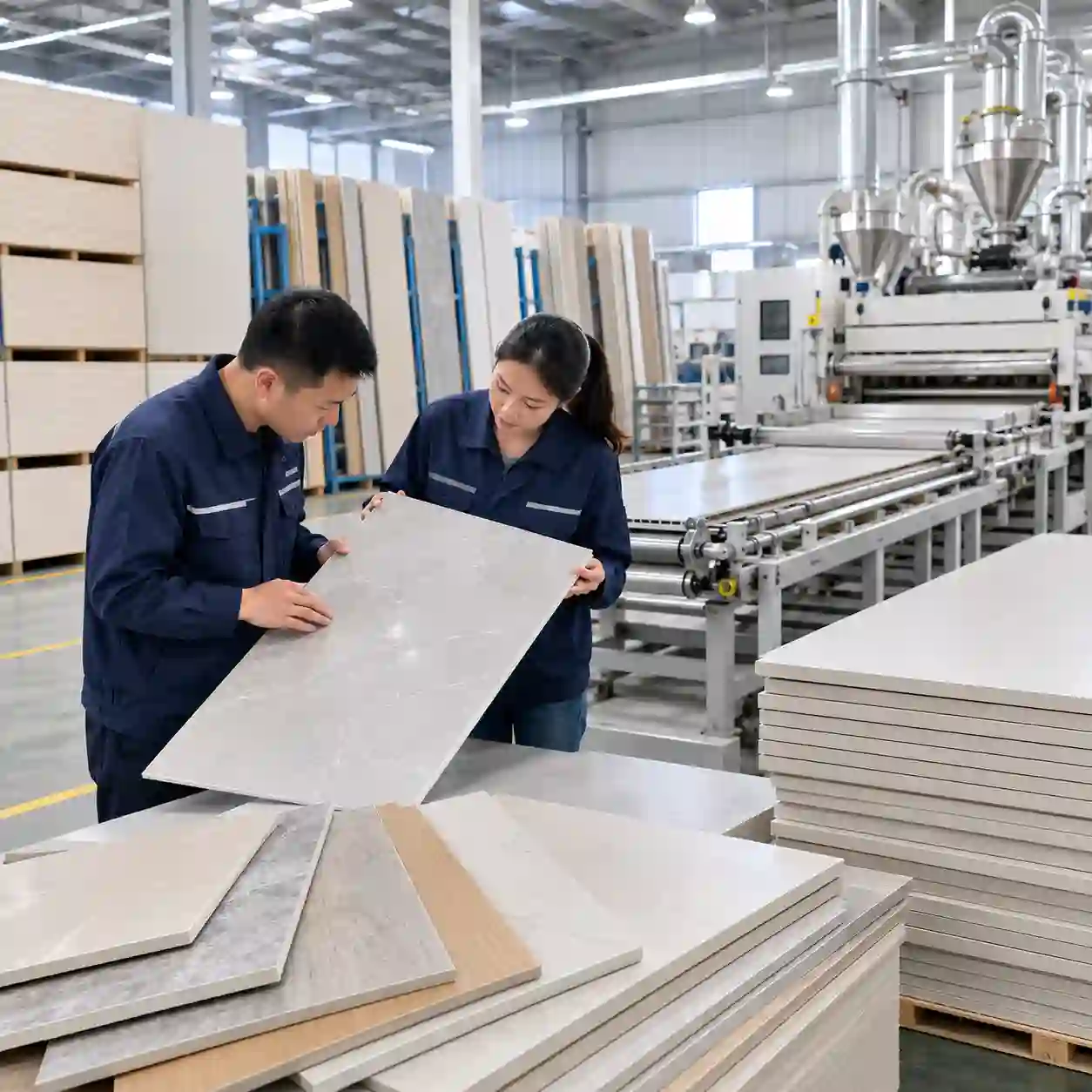
Yifang supplies fluted, grille and decorative wall panel profiles for interior projects. Buyers can request profile options, sample finishes, matching trims, installation planning support and bulk order assistance. For hotels, villas, offices, restaurants and commercial feature walls, send drawings, wall sizes, preferred finish and project quantity. Yifang can help review suitable fluted panel options and matching accessories from its wall panel product range.
If you are preparing a villa renovation, hotel corridor, guest room wall, restaurant feature wall or office reception wall, contact Yifang before finalizing the material list. A clear panel and accessory plan can make the installation cleaner and help avoid last-minute trim shortages.
FAQ
Can fluted wall panels be used in villa renovations?Yes. Fluted wall panels are commonly used for villa TV walls, bedroom feature walls, entry walls, stair walls and home office backgrounds. The key is to choose the right material, finish, trim color and installation method for the room condition.
Are fluted wall panels suitable for hotels and commercial projects?Yes, fluted wall panels can work well in hotel lobbies, corridors, guest rooms, restaurants, offices and retail spaces. For commercial projects, buyers should confirm wall dimensions, repeated room layouts, trims, fire-rating requests if required, packing and delivery schedule before ordering.
How should outlets and switches be handled on fluted wall panels?Outlet positions should be confirmed before cutting. Installers should mark the panel carefully, use the correct cutting tool, keep the opening clean and plan the groove alignment around the outlet. For repeated hotel rooms, a standard outlet drawing helps reduce errors.
Do fluted wall panels need trims?Most professional installations need trims for outside corners, inside corners, exposed edges, seams, top lines and base transitions. Trims make the finished wall look cleaner and help avoid rough edges, especially in villas and commercial interiors.
Should fluted wall panels be installed with adhesive or screws?The fixing method depends on the substrate, panel material and project requirement. Adhesive can give a clean visible finish, while screws or profile fixing can improve mechanical holding strength. Some projects use both methods after site evaluation.
What should I send to a wall panel factory before ordering?Send wall sizes, site photos or drawings, preferred panel color, profile style, installation area, outlet positions, corner details, trim requirements and project quantity. Yifang can review these details and suggest suitable fluted panels and accessories.
Final Buying Note
For the best result, do not order fluted panels by surface color only. Send your wall size, profile preference, finish, outlet layout, trim requirements and project quantity. Contact Yifang for a wall panel plan before bulk ordering, especially for villas, hotels and commercial interiors where the final visual detail matters.

 English
 العربية
 हिन्दी
 Español
 Français